Budget-Conscious Wine Lovers Get Good News
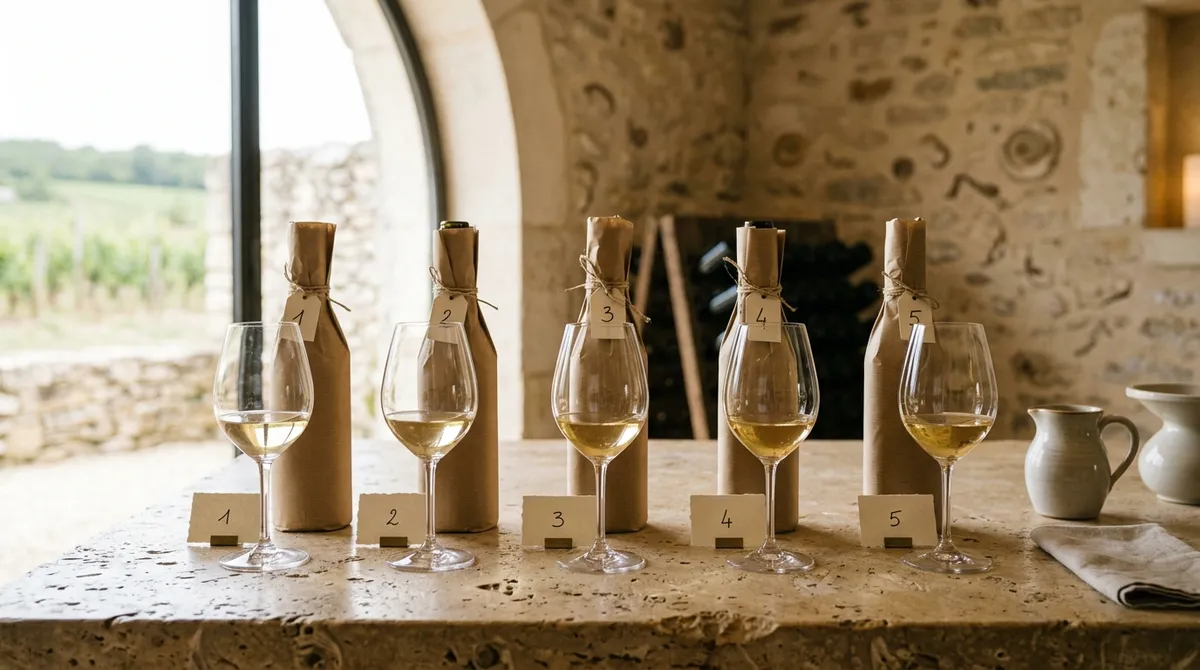
Wine enthusiasts facing cost-of-living pressures received encouraging news from a recent blind tasting that challenged the assumption that premium pricing always delivers superior quality. According to reports, a wine expert conducted a comprehensive blind tasting of supermarket Chablis wines to determine whether cheaper bottles could compete with a premium £25 option.
The results revealed that strategic shopping can indeed yield exceptional wines without breaking the bank. The £25 Tesco Chablis Premier Cru emerged as the blind-tasting winner, demonstrating that mid-range supermarket selections can outperform both more expensive and cheaper alternatives.
Understanding What Makes Chablis Special
Chablis represents a unique expression of Chardonnay that sets it apart from other white wines. According to the expert analysis, Chablis comes from a specific Burgundy region where Chardonnay grapes grow in distinctive fossil-rich soil. The vines develop remarkable depth, rooting up to 15 feet deep without requiring irrigation.
This terroir creates Chablis's signature flavor profile, which combines distinctive marzipan and lemon notes. These characteristics result from the unique geological conditions that have shaped the region's winemaking for centuries.
The Winning Formula: Balance Over Price
The blind tasting revealed that the winning Tesco Chablis Premier Cru succeeded through its exceptional balance of richness, acidity, and complexity. This finding suggests that consumers can identify quality Chablis by focusing on these fundamental characteristics rather than relying solely on price as an indicator of quality.
Reports indicate that a £13 Lon Deloney Chablis also performed exceptionally well in the blind tasting, further proving that excellent supermarket Chablis exists at accessible price points. This mid-range option demonstrated that wine quality doesn't always correlate directly with premium pricing.
Shopping Smart: What to Look For
The expert analysis provided valuable guidance for budget-conscious wine shoppers. When shopping for Chablis under £15, grower reputation and vineyard age can matter more than official classification systems. Old vines, in particular, can produce superior wines that outperform younger plantings regardless of their Premier Cru versus village Chablis designation.
Consumers should seek wines that exhibit zippy citrus notes, saline characteristics, and buttery richness—all indicators of proper terroir expression. These flavor profiles signal that the wine authentically represents the Chablis region's unique geological and climatic conditions.
Red Flags to Avoid
The tasting also identified common quality issues that wine shoppers should avoid. According to the expert evaluation, consumers should steer clear of Chablis wines that appear flat, overly acidic, or one-dimensional. These characteristics suggest that the wine fails to capture the complexity that defines quality Chablis.
Instead, look for wines that demonstrate the characteristic balance between acidity and richness that makes Chablis distinctive among Chardonnay expressions.
Implications for Wine Shopping
This blind tasting format offers valuable insights for wine consumers navigating an increasingly expensive market. The results suggest that careful selection based on understanding terroir and flavor profiles can yield exceptional wines at reasonable prices.
The findings challenge the notion that premium pricing automatically indicates superior quality, empowering consumers to make informed decisions based on wine characteristics rather than marketing or price positioning. For wine enthusiasts seeking quality Chablis without premium prices, focusing on balanced acidity, complexity, and authentic terroir expression appears to be the key to successful supermarket wine shopping.
The expert's approach demonstrates that blind tasting methodology can help consumers identify genuine value in wine retail, particularly as economic pressures make budget-conscious shopping increasingly relevant for wine lovers.