A Historic Chapter Comes to a Close
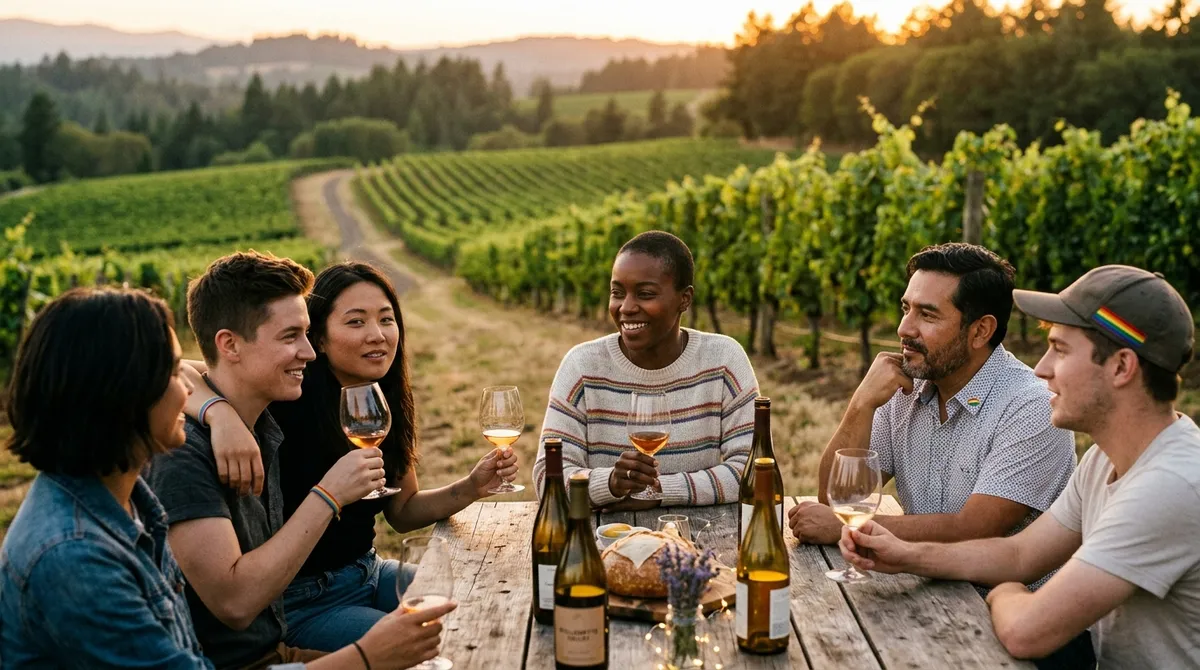
After five years of celebrating LGBTQ+ voices in the wine industry, the world's first queer-focused wine festival will hold its final event on June 28, 2026, in McMinnville, Oregon. According to reports, founder Remy Drabkin has decided to end the groundbreaking Queer Wine Fest after successfully achieving its mission to uplift the queer wine community and support LGBTQ vintners.
The festival, which takes place in Oregon's renowned Willamette Valley wine region, represents a pioneering moment in both wine culture and LGBTQ+ event programming. What started as an intimate gathering has grown significantly over its five-year run, expanding from an initial 100 attendees to more than 300 participants.
From Grassroots to Industry Catalyst
The decision to close the festival comes not from failure, but from success. According to reports, Drabkin believes the event has fulfilled its original purpose of creating visibility and support for LGBTQ+ winemakers and wine professionals. The festival's impact extends far beyond its Oregon roots, having inspired a wave of similar queer wine celebrations across the country.
The influence of Queer Wine Fest can be seen in the emergence of other LGBTQ+-focused wine initiatives, including Made with Pride and Zē Wines, which now operate independently. This ripple effect demonstrates how one community-driven event can catalyze broader systemic change within an industry.
A Model for Intentional Event Creation
What set Queer Wine Fest apart wasn't just its focus on LGBTQ+ representation, but its commitment to sustainable and thoughtful event practices. Reports indicate the festival maintained zero-waste practices throughout its five-year run, while the founder demonstrated particular attention to supporting participating winemakers.
This approach of prioritizing intimate community gathering over large-scale expansion offers valuable insights for event creators. Rather than pursuing growth at all costs, the festival maintained its focus on creating meaningful connections and genuine support for its target community.
The Last-Call Moment
For queer wine enthusiasts and allies, the final Queer Wine Fest represents a unique pilgrimage opportunity. The June 28 event serves as both celebration and farewell, marking the end of a cultural touchstone that helped shift representation in the wine industry.
The timing creates urgency for those who have followed the festival's journey or heard about its impact but never attended. This final gathering offers a chance to experience firsthand the community-driven approach that made the event so influential.
Legacy Beyond the Final Pour
While the original Queer Wine Fest will conclude this summer, its legacy continues through the various initiatives it inspired. The festival's success in creating space for LGBTQ+ voices in wine culture has contributed to a more inclusive industry landscape.
The decision to end on a high note, with mission accomplished rather than event fatigue, reflects the thoughtful approach that characterized the festival from its beginning. According to reports, this graceful exit strategy allows the event's impact to remain untarnished while making room for the new generation of queer wine celebrations it helped inspire.
Looking Forward
As the wine industry continues to evolve toward greater inclusivity, the influence of Queer Wine Fest will likely be felt for years to come. The festival demonstrated that targeted, community-focused events could create meaningful change while maintaining sustainable practices and genuine care for participants.
For those planning to attend the final event on June 28, it represents more than just a wine tasting—it's an opportunity to be part of wine history and witness the conclusion of a pioneering chapter in LGBTQ+ event programming. The McMinnville location in Oregon's Willamette Valley provides an fitting backdrop for this historic farewell.
The end of Queer Wine Fest marks both an ending and a beginning, as the wine community continues to build on the foundation of inclusivity and representation that this groundbreaking festival helped establish.