The Great Chablis Showdown: Price vs. Quality
Cost-conscious wine lovers have reason to celebrate after a recent blind tasting challenged the assumption that premium pricing equals superior quality in Chablis wines. According to reports, a wine expert conducted a comprehensive taste test of supermarket Chablis bottles to determine whether budget-friendly options could compete with a premium £25 bottle.
The results were surprising: the £25 Tesco Chablis Premier Cru emerged as the winner, but not by the margin many would expect. More telling was the exceptional performance of a £13 Lon Deloney Chablis, which proved that excellent supermarket finds exist at mid-range prices.
Understanding What Makes Chablis Special
To understand why some cheaper bottles performed so well, it helps to know what distinguishes authentic Chablis. According to the tasting analysis, Chablis comes from a specific Burgundy region where Chardonnay grapes grow in distinctive fossil-rich soil. The vines root an impressive 15 feet deep without irrigation, creating the wine's characteristic marzipan and lemon flavor profiles.
This unique terroir expression is what separates true Chablis from generic Chardonnay, and the blind tasting revealed that price doesn't always correlate with how well a wine captures these distinctive characteristics.
The Winning Formula: Balance Over Classification
The tasting results highlighted an important lesson for wine shoppers: the winning £25 Premier Cru succeeded through its balance of richness, acidity, and complexity rather than simply its official classification. This suggests that when shopping for Chablis under £15, factors like grower reputation and vineyard age—particularly old vines—can matter more than whether a bottle carries the Premier Cru designation versus village Chablis status.
The strong showing of the £13 bottle reinforced this principle, demonstrating that skilled winemaking and quality fruit can produce exceptional results regardless of price point.
Red Flags to Avoid When Shopping
The expert's tasting notes also provided valuable guidance for identifying poor-quality Chablis. According to the analysis, wine shoppers should avoid bottles that taste flat, overly acidic, or one-dimensional. Instead, look for wines displaying zippy citrus notes, saline characteristics, and buttery richness—all indicators of proper terroir expression.
These sensory markers can help consumers identify authentic Chablis character whether they're spending £10 or £30 on a bottle.
Smart Shopping in Tough Times
The timing of this comparison couldn't be more relevant. As cost-of-living pressures continue to mount, consumers increasingly want to know whether premium pricing delivers genuine value or if supermarket alternatives can satisfy discerning palates.
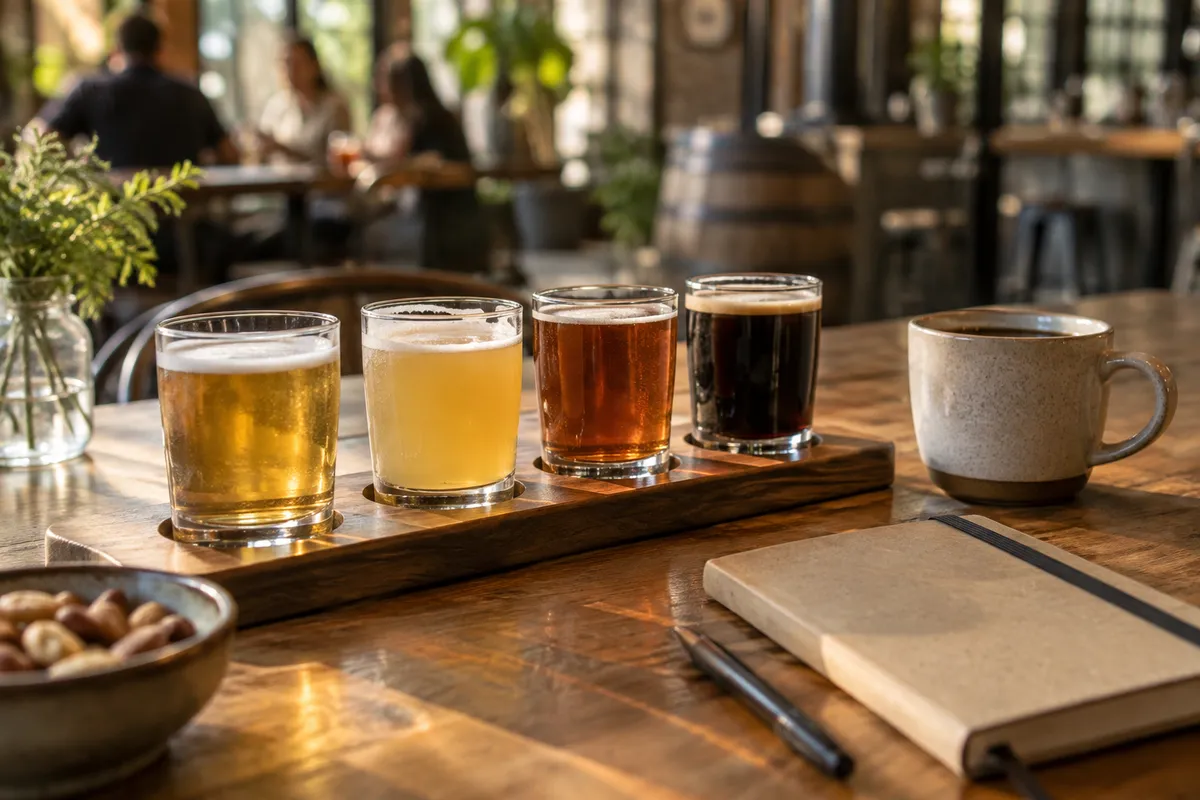
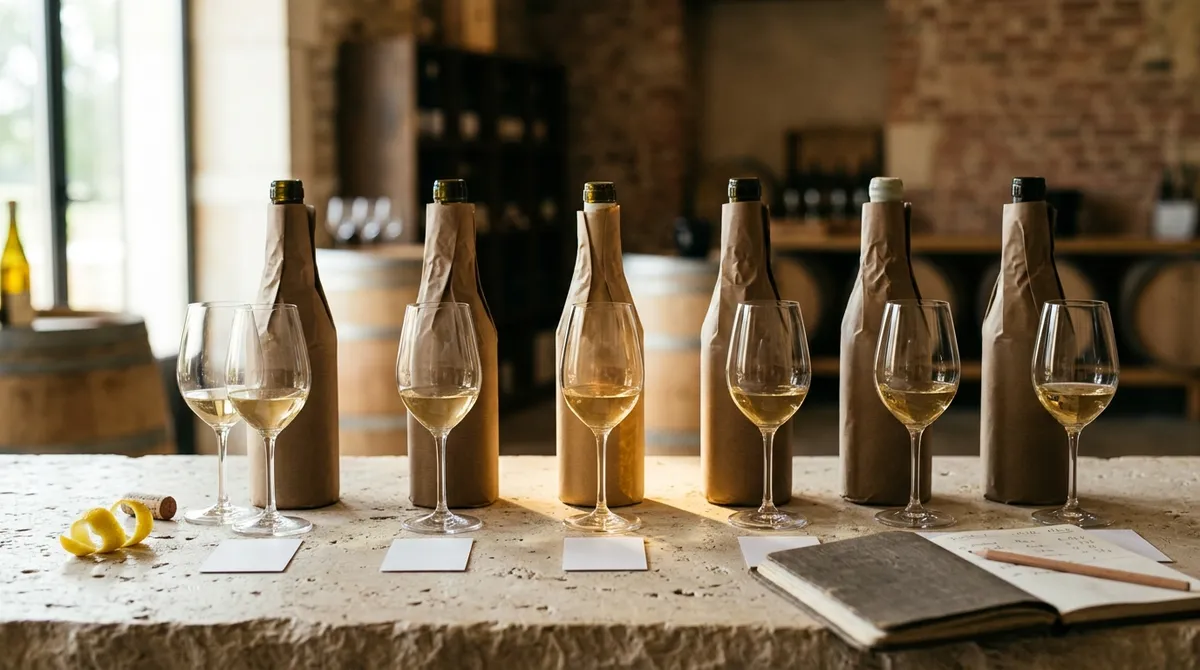
The blind tasting format proved particularly valuable because it removed brand bias and price expectations, allowing the wines to be judged purely on their sensory qualities. This approach revealed that while the most expensive option performed well, it didn't dominate the field as dramatically as its price might suggest.
The Broader Implications
These findings extend beyond just Chablis shopping. The methodology demonstrates how blind tastings can debunk premium pricing myths across various wine categories and even other food products. By focusing on actual quality markers rather than marketing or price signals, consumers can make more informed purchasing decisions.
For Chablis specifically, the results suggest that careful selection within the £13-£15 range can yield wines that compete admirably with more expensive bottles, provided shoppers know what quality indicators to seek.
The key takeaway for wine enthusiasts is clear: while premium bottles often justify their price through superior quality, exceptional value can be found at lower price points by understanding what distinguishes good examples from poor ones within any given category.