The Final Pour of a Pioneering Festival
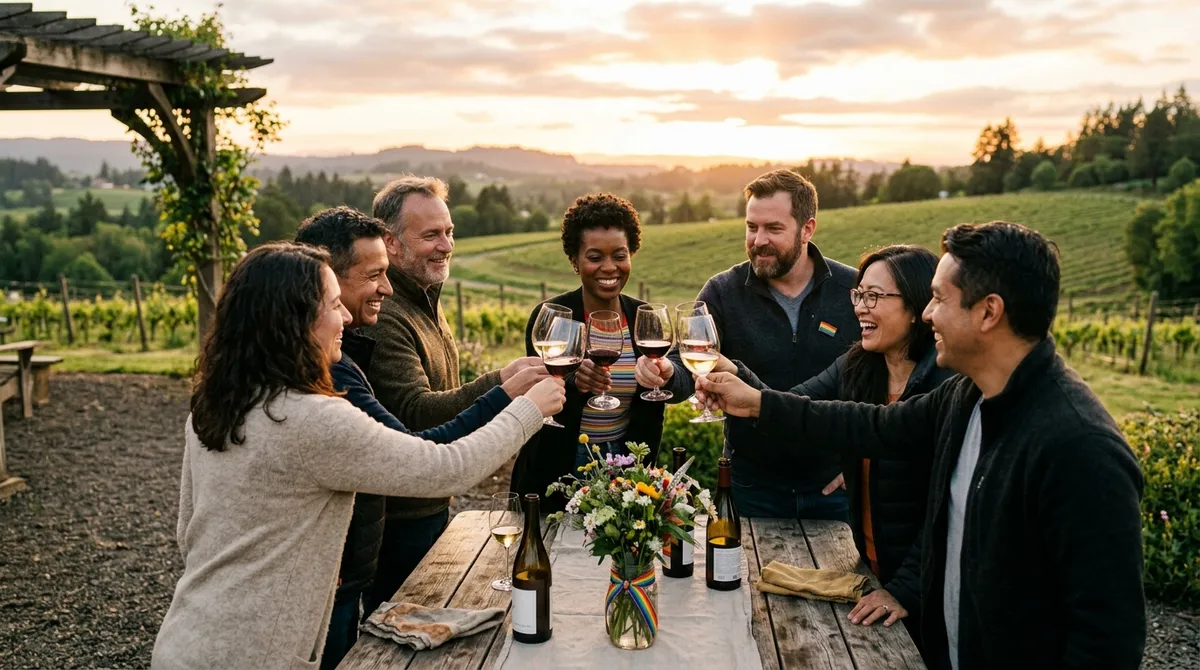
June 28, 2026, will mark the end of an era for the wine community as Queer Wine Fest hosts its final celebration in McMinnville, Oregon. After five successful years, founder Remy Drabkin has announced the closure of what began as the world's first LGBTQ-focused wine festival, citing the achievement of its original mission to uplift the queer wine community and support LGBTQ vintners.
From Humble Beginnings to Cultural Impact
The festival's journey reflects remarkable growth and influence within the wine industry. What started as an intimate gathering of 100 attendees has expanded to welcome more than 300 participants, according to reports. This growth represents more than numbers—it signals a fundamental shift in wine culture and LGBTQ representation within the industry.
The event has consistently taken place in Oregon's renowned Willamette Valley, a region celebrated for its exceptional wine production. McMinnville, nestled in the heart of this wine country, has served as the festival's home throughout its five-year run.
A Legacy That Extends Beyond One Event
While Queer Wine Fest is concluding, its impact has catalyzed a broader movement across the wine industry. According to reports, the festival's success inspired the creation of several other queer wine celebrations and initiatives, including Made with Pride and Zē Wines, which are now thriving independently across the country.
This ripple effect demonstrates how a single, well-executed event can spark systemic change within an industry. The festival's influence extends beyond Oregon's borders, inspiring similar gatherings nationwide and creating new opportunities for LGBTQ+ vintners and wine enthusiasts.
Sustainable Practices and Community Care
One of the festival's distinguishing features has been its commitment to environmental responsibility and community support. Reports indicate that Queer Wine Fest maintained zero-waste practices throughout its operations, setting a model for sustainable event creation in the wine industry.
Founder Remy Drabkin's approach emphasized attention to winemaker support, prioritizing the needs and success of participating vintners. This focus on community care over scale reflects a philosophy that values meaningful connections and intentional gatherings over larger, less personal events.
The Power of Intentional Community Spaces
The festival's success highlights the importance of creating dedicated spaces for underrepresented communities within traditional industries. By focusing on intimate community gatherings rather than massive events, Queer Wine Fest demonstrated that smaller, purposeful celebrations can have profound cultural impact.
This approach resonates particularly strongly in the wine industry, where personal relationships, storytelling, and intimate tastings form the foundation of meaningful experiences. The festival's model shows how community-driven initiatives can effectively challenge and change established industry norms.
A Strategic and Graceful Conclusion
Remy Drabkin's decision to conclude the festival while it remains successful represents a strategic approach to legacy building. Rather than allowing the event to decline or become commercialized beyond its original vision, the founder has chosen to end on a high note, ensuring the festival's positive impact remains intact.
This decision allows the inspired initiatives and events that emerged from Queer Wine Fest's influence to continue growing and evolving independently, carrying forward the mission of supporting LGBTQ+ representation in wine culture.
Last Call for a Historic Gathering
For wine enthusiasts and community members who have followed the festival's journey, this summer's event represents a final opportunity to experience the original gathering that started it all. The June 28 celebration in McMinnville promises to be both a farewell and a celebration of the lasting change one dedicated event can create within an industry.
As the wine community prepares to bid farewell to Queer Wine Fest, the event's five-year legacy serves as a testament to the power of community-driven initiatives in creating meaningful, lasting change in traditional industries.