
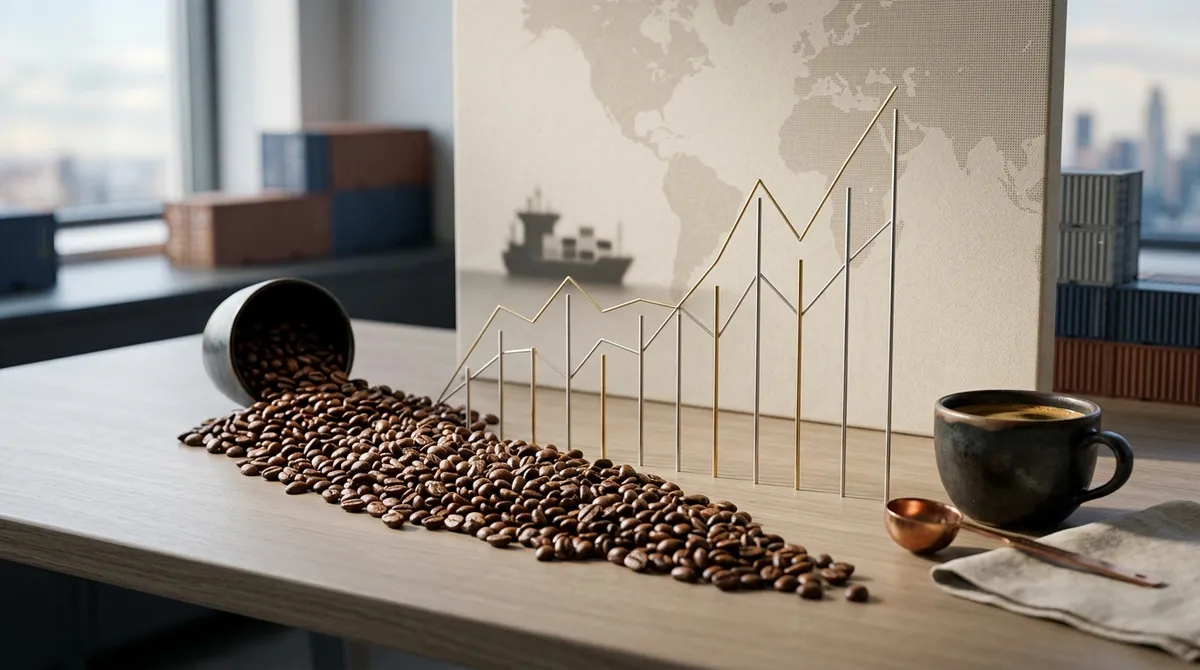
The United States coffee bean market remains one of the world's most important demand centers, driven by daily consumption habits, specialty coffee culture, and a deep reliance on global supply chains. From supermarket shelves to independent roasters, green coffee beans and roasted products move through a complex market shaped by imports, pricing, consumer preferences, and changing retail channels.
United States Coffee Bean Market Overview
Coffee is not grown at commercial scale across most of the United States, yet the country ranks among the strongest coffee-consuming markets worldwide. Domestic demand is supplied mainly through imports of green coffee beans, which are then roasted, packaged, blended, and distributed through foodservice, retail, and direct-to-consumer channels.
The market includes several connected segments. These include unroasted Arabica and Robusta beans, roasted whole beans, ground coffee, pods, capsules, instant coffee, and specialty blends. While consumers often see the finished product, the coffee bean trade begins much earlier with agricultural production in tropical regions.
For U.S. buyers, the coffee bean market is closely tied to global harvests, currency movements, shipping costs, labor availability, and weather events in producing countries. As a result, domestic prices can change even when local demand remains stable.
Why Imports Dominate U.S. Coffee Supply
The United States depends heavily on imported coffee because coffee plants require specific growing conditions. They thrive in warm climates, high elevations, and regions with reliable rainfall. Hawaii and Puerto Rico produce coffee, and small growers operate in limited areas, but domestic production covers only a small share of total consumption.
Major suppliers to the U.S. market typically include Brazil, Colombia, Vietnam, Honduras, Guatemala, Peru, Mexico, and Ethiopia. Each origin offers different flavor profiles, production volumes, and price points. Brazil is widely known for large-scale Arabica production, while Vietnam is a leading Robusta supplier. Colombia remains strongly associated with washed Arabica coffees and consistent quality.
Importers, roasters, and distributors manage sourcing strategies across multiple origins. This helps reduce risk when drought, frost, crop disease, or port congestion affects a single country. Diversified sourcing has become increasingly important as climate volatility influences coffee yields.
Consumer Demand and Coffee Drinking Trends
American coffee consumption is supported by both tradition and innovation. Many households still rely on drip coffee, ground coffee, and familiar supermarket brands. At the same time, younger consumers have helped expand demand for specialty coffee, cold brew, single-origin beans, and café-style drinks prepared at home.
Whole bean coffee has gained traction among consumers who want freshness and control over brewing. Home espresso machines, burr grinders, pour-over equipment, and subscription coffee services have made premium beans more accessible. This shift benefits specialty roasters and brands that focus on origin stories, roast dates, and tasting notes.
Convenience also remains a powerful force. Single-serve pods, ready-to-drink coffee, instant formats, and canned cold brew continue to attract busy consumers. The U.S. coffee market is therefore moving in two directions at once — shoppers want both better quality and easier preparation.
Specialty Coffee Shapes Market Value
Specialty coffee has become a major value driver in the United States. It does not always represent the largest volume, but it strongly influences margins, branding, and consumer expectations. Roasters can command premium prices for beans with traceable origins, differentiated processing methods, and quality certifications.
Common specialty categories include organic coffee, fair trade coffee, direct trade beans, shade-grown coffee, and micro-lot offerings. These products appeal to buyers who care about sustainability, farmer compensation, and distinctive flavor. They also support higher average selling prices across the retail and café sectors.
Independent coffee shops, regional roasters, and e-commerce brands have played a central role in this shift. They educate consumers about roast levels, brewing methods, and origin differences. As customers become more knowledgeable, they often move away from purely price-based purchasing decisions.
Price Trends and Market Pressures
Coffee bean prices can be volatile because the market is exposed to agricultural and financial risks. Weather disruptions in major producing countries can reduce output and lift global prices. A weak or strong U.S. dollar can also affect import costs. Freight rates, packaging expenses, energy costs, and wages influence final retail pricing.
Roasters face a careful balancing act. If green coffee costs rise sharply, companies must decide whether to raise prices, reduce margins, adjust blends, or change package sizes. Large brands may have more flexibility because of scale and long-term contracts. Smaller roasters often feel price shocks more quickly.
Consumers have become accustomed to premium coffee experiences, but price sensitivity has not disappeared. During inflationary periods, some shoppers trade down to value brands or buy larger formats. Others continue purchasing premium beans but reduce café visits. These shifts can change where revenue is generated within the coffee supply chain.
Retail, Foodservice, and E-Commerce Channels
The U.S. coffee bean market is distributed through several important channels. Grocery stores and mass retailers account for a significant share of packaged coffee sales. Club stores, convenience stores, specialty food shops, cafés, restaurants, offices, and hotels also contribute to demand.
E-commerce has become increasingly important for coffee brands. Online sales allow roasters to reach national audiences without relying entirely on physical retail placement. Subscription models create recurring revenue and help companies build direct relationships with customers. Many consumers now discover new roasters through social media, online reviews, and curated coffee boxes.
Foodservice remains a vital part of the market, especially for espresso-based drinks and premium beverages. Even with strong at-home brewing trends, cafés continue to influence consumer tastes. New drinks introduced by coffee chains often shape retail product innovation later.
Key Opportunities for Coffee Businesses
Several growth opportunities stand out in the U.S. coffee bean market. Premiumization remains one of the clearest. Consumers are willing to pay more for coffee that feels fresh, ethical, and distinctive. Brands that communicate quality clearly can build loyalty in a crowded market.
Sustainability is another major opportunity. Packaging, carbon impact, water use, and farmer livelihoods are becoming more visible to consumers and corporate buyers. Companies that invest in responsible sourcing and transparent supply chains can strengthen their competitive position.
There is also room for innovation in functional coffee. Products that combine coffee with protein, adaptogens, vitamins, or lower-acid formulations are gaining attention. While not every trend lasts, the broader interest in wellness gives coffee brands new ways to differentiate.
Challenges Facing the U.S. Coffee Bean Industry
The industry also faces meaningful risks. Climate change is a long-term concern for coffee production. Rising temperatures, changing rainfall patterns, and plant diseases can reduce suitable growing areas. These pressures may increase sourcing costs and create quality inconsistencies.
Supply chain disruptions remain another challenge. Coffee often travels across long routes before reaching U.S. roasters. Delays at ports, container shortages, geopolitical tensions, and shipping cost spikes can affect delivery schedules and inventory planning.
Competition is intense across every price tier. Large multinational brands benefit from scale, advertising power, and retail access. Smaller roasters compete through freshness, craftsmanship, and community connection. To succeed, companies need clear positioning and reliable execution.
Outlook for the United States Coffee Bean Market
The long-term outlook for the U.S. coffee bean market remains positive. Coffee is deeply embedded in daily routines, and demand is supported by a broad consumer base. Market growth will likely come from premium products, convenient formats, online sales, and continued interest in café-quality drinks at home.
However, future performance will depend on how effectively businesses manage volatility. Strong supplier relationships, flexible sourcing, quality control, and data-driven inventory planning will become more important. Companies that respond quickly to shifting consumer behavior will be better positioned than those relying only on legacy demand.
The U.S. coffee sector is not simply a beverage category. It is a global trade network, a retail growth engine, and a lifestyle market. As consumers seek better flavor, ethical sourcing, and convenient preparation, coffee bean suppliers and roasters have substantial opportunities to create value.
Conclusion
The United States coffee bean market is shaped by imported supply, strong consumption habits, specialty coffee growth, and evolving retail channels. While price swings and climate risks create challenges, the category continues to show resilience. Businesses that combine dependable sourcing with innovation, transparency, and consumer-focused branding are likely to stand out in the years ahead.