Decaffeinated coffee has become an increasingly popular choice among coffee enthusiasts who seek to enjoy the rich flavors of coffee without the stimulating effects of caffeine. As consumer preferences shift towards healthier lifestyles, the decaffeinated coffee market is experiencing substantial growth, driven by innovations in specialty brewing methods and changing dietary trends.
Understanding the Decaffeinated Coffee Market
The global decaffeinated coffee market is witnessing robust expansion due to its appeal to health-conscious consumers. This segment of the coffee industry is characterized by its ability to cater to individuals who are sensitive to caffeine or those who prefer a caffeine-free beverage option later in the day. The market's growth is supported by the increasing availability of high-quality, flavorful decaf options that do not compromise on taste.
Consumer Trends and Preferences
The shift in consumer behavior is largely influenced by a growing awareness of health and wellness. Many individuals are opting for decaffeinated coffee to reduce their caffeine intake without giving up their favorite brew. This trend is particularly prevalent among millennials and Gen Z consumers who prioritize holistic health and wellness in their lifestyle choices. As a result, coffee makers are focusing on producing decaf options that retain the rich aroma and taste of traditional coffee.
Advancements in Decaffeination Techniques
Modern decaffeination processes have significantly improved, allowing producers to maintain the quality and flavor of coffee beans while removing caffeine. Techniques such as the Swiss Water Process and CO2 method are gaining popularity as they offer chemical-free decaffeination, appealing to environmentally conscious consumers. These advanced methods ensure that the coffee retains its natural oils and flavors, making decaf coffee a desirable choice for connoisseurs.
Specialty Brewing and its Impact
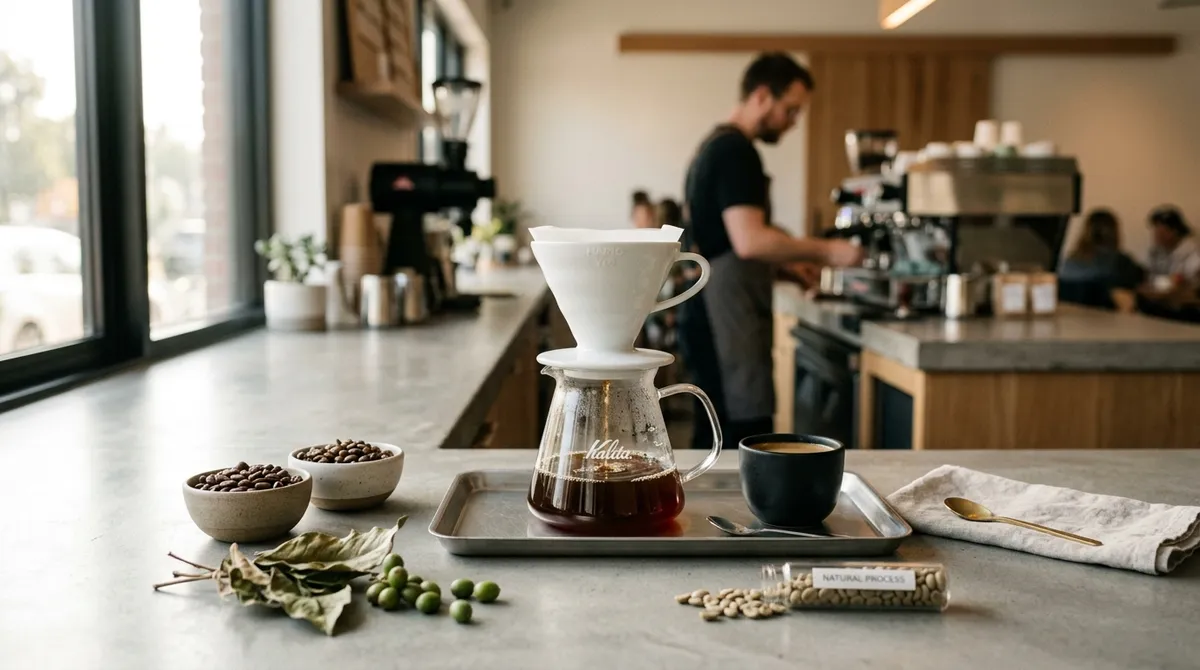
The rise of specialty coffee culture has played a crucial role in elevating the profile of decaffeinated coffee. Specialty brewing techniques, such as pour-over and cold brew, have been adapted to enhance the flavors of decaf coffee, providing a premium experience for coffee lovers. These methods highlight the unique characteristics of decaf beans, making them a popular choice in cafes and restaurants worldwide.
Market Projections and Opportunities
Analysts predict that the decaffeinated coffee market will continue to grow, with North America and Europe leading the demand. The Asia-Pacific region is also emerging as a significant market due to increasing urbanization and a rising middle-class population. This growth presents ample opportunities for coffee producers to innovate and expand their product offerings to meet diverse consumer needs.
Challenges Facing the Market
Despite the positive outlook, the decaffeinated coffee market faces challenges such as higher production costs and limited consumer perception of decaf products. However, with ongoing advancements in processing techniques and an emphasis on quality, these obstacles are gradually being addressed. Educating consumers about the benefits and quality of decaf coffee remains a critical strategy for market players.
The Future of Decaffeinated Coffee
As the demand for healthier beverage options continues to rise, the decaffeinated coffee market is poised for significant growth. Consumer education and innovation in brewing techniques will play vital roles in shaping the future of this market segment. By focusing on sustainability and flavor, producers can ensure that decaf coffee remains a staple in the evolving coffee industry landscape.