The Quest for Perfect Pakode
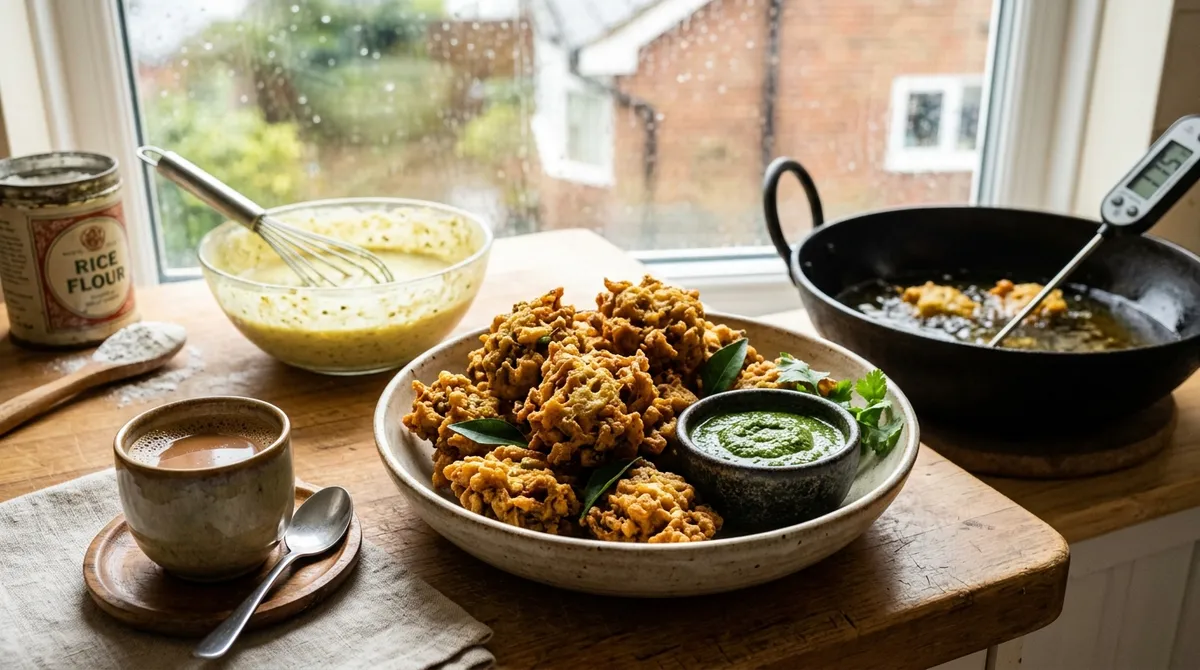
The combination of crispy pakode and chai represents one of food's most beloved pairings, especially during rainy weather and afternoon snack cravings. However, many home cooks struggle with achieving the perfect texture, often ending up with soggy, oil-heavy results instead of the light, crispy pakode found at street stalls.
MasterChef Pankaj Bhadouria recently addressed this common kitchen challenge by sharing five practical tips that can transform homemade moong dal pakode from disappointing to restaurant-quality. According to reports, these techniques focus on batter preparation, ingredient selection, and proper frying methods to achieve extra crispiness while reducing oil absorption.
Five Essential Tips for Crispy Pakode
Skip the Water, Perfect the Whisk
According to Chef Bhadouria's guidance, the first crucial step involves avoiding water in the batter preparation and ensuring thorough whisking. This technique appears to be fundamental to achieving the right batter consistency that leads to crispier results.
Rice Flour Makes the Difference
The addition of rice flour emerges as a key ingredient for achieving the desired texture. This common pantry staple reportedly helps create the crispy exterior that distinguishes professional-quality pakode from home versions.
Baking Soda for Fluffiness
Incorporating baking soda into the batter serves as another essential element in the chef's formula. This leavening agent contributes to creating fluffier, lighter pakode that maintain their texture rather than becoming dense or heavy.
The Hot Oil Technique
One of the more unique tips involves adding hot oil to the batter itself. This technique reportedly helps achieve better texture and may contribute to reducing overall oil absorption during the frying process.
Temperature Control is Critical
The final tip focuses on monitoring oil temperature carefully before frying. Proper temperature control ensures optimal cooking conditions that result in crispy exteriors without excessive oil penetration.
Why These Tips Matter for Home Cooks
The appeal of these techniques lies in their practical application for everyday cooking. According to reports, home cooks frequently complain that their pakode lose texture and fail to achieve the crispy, crunchy quality they're seeking. These chef-approved methods address common mistakes that lead to oily, soggy results.
The timing of this guidance proves particularly relevant as pakode and chai remain a comfort-food combination that many seek to perfect at home. The techniques offer a pathway to achieving street-style texture without the excess oil that often accompanies homemade versions.
Addressing Common Pakode Problems
The five-step approach targets the primary issues that plague home pakode preparation. Rather than requiring exotic ingredients or complicated techniques, these tips work with standard kitchen equipment and commonly available ingredients to solve texture and oil absorption problems.
For food enthusiasts looking to elevate their snack preparation, these methods provide a systematic approach to improvement. The focus on batter technique, ingredient selection, and temperature control creates a comprehensive framework for consistent results.
The Path to Street-Style Results
Achieving professional-quality pakode at home requires attention to these fundamental techniques that professional cooks use routinely. By implementing Chef Bhadouria's five-point system, home cooks can reportedly transform their pakode-making results and enjoy the crispy, less oily texture that makes this snack so appealing when prepared correctly.
The combination of proper whisking, strategic ingredient additions, and careful temperature monitoring creates the foundation for pakode that rival those found at the best street stalls and restaurants.