
The Rise of a Wine Region
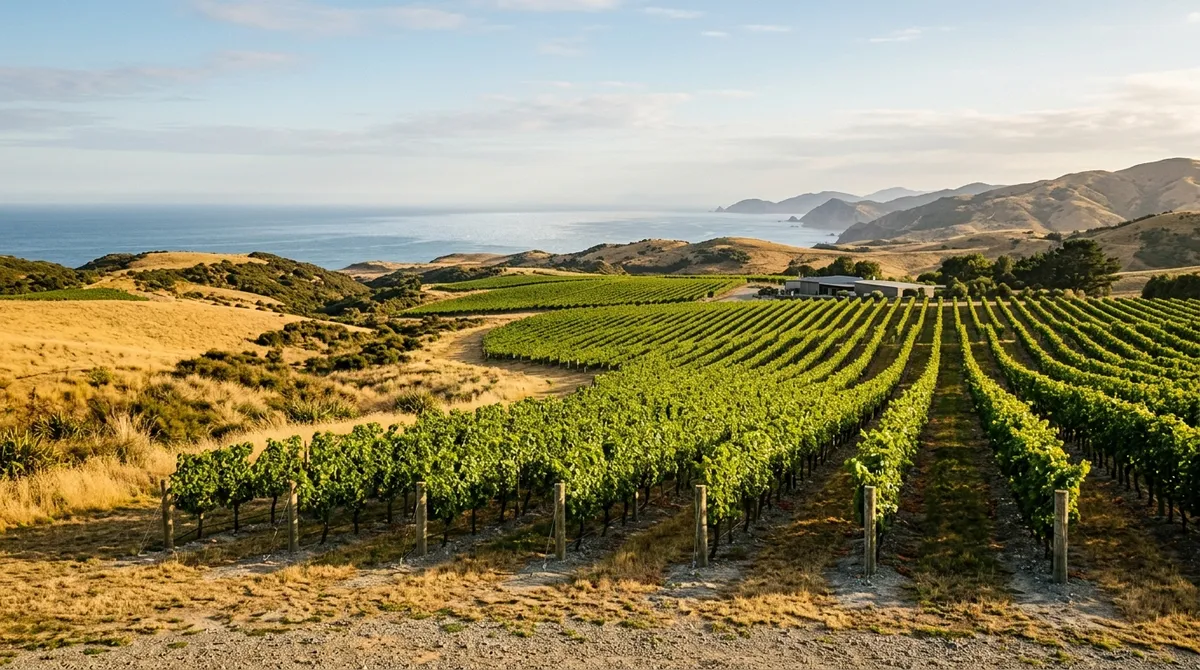
In the world of premium wine, location is everything. What was once dismissed as unremarkable farmland in New Zealand's Marlborough region has transformed into some of the most coveted Sauvignon Blanc real estate on the planet. Dillons Point, a tiny subregion within Marlborough, now commands vineyard prices that rival those of France's legendary Sancerre region.
According to reports, a single hectare in Dillons Point now costs as much as prime vineyard land in Sancerre, marking a dramatic shift in how the global wine market values New Zealand terroir. This transformation speaks to a broader trend in the wine industry, where consumers and producers are looking beyond broad regional classifications toward specific subregions, single vineyards, and terroir-driven identity.
What Makes Dillons Point Special
The secret lies in Dillons Point's unique coastal terroir, which produces Sauvignon Blanc with distinctive characteristics that set it apart from other Marlborough wines. Reports indicate that wines from this subregion exhibit remarkable vibrancy, tension, and a notable saltiness that reflects their maritime influence. These coastal conditions create wines with mineral complexity that many compare to the celebrated Sauvignon Blancs of France's Loire Valley.
Unlike the broader perception of Marlborough Sauvignon Blanc as wines for immediate consumption, Dillons Point produces bottles with genuine aging potential. This age-worthiness challenges conventional wisdom about New Zealand Sauvignon Blanc and positions these wines alongside the world's most serious expressions of the variety.
Global Recognition and Market Demand
The transformation of Dillons Point from "backwater" to premium wine territory reflects growing global recognition of Marlborough's diverse terroir. Reports suggest that demand for premium Marlborough Sauvignon Blanc is expanding significantly in key markets including the United States and Asia, where consumers are increasingly sophisticated about regional distinctions.
This market expansion comes at a time when vineyard land in Dillons Point is becoming increasingly scarce. The combination of limited availability and growing recognition has created a perfect storm for land values, pushing prices to levels that would have been unimaginable just a decade ago.
The Coastal Advantage
What distinguishes Dillons Point from other Marlborough subregions is its coastal position, which imparts unique characteristics to the wines produced there. The maritime influence creates growing conditions that result in Sauvignon Blanc with pronounced salinity and mineral notes – qualities that wine enthusiasts associate with coastal vineyards worldwide.
These coastal characteristics manifest in the glass as wines with distinctive tension and vibrancy. The saltiness that emerges from this terroir provides a counterpoint to the tropical fruit flavors traditionally associated with Marlborough Sauvignon Blanc, creating more complex and food-friendly wines.
Understanding Marlborough's Subregional Diversity
The success of Dillons Point highlights the importance of understanding Marlborough as a collection of distinct subregions rather than a monolithic wine area. Each subregion within Marlborough offers different soil types, microclimates, and exposures that influence the final character of the wines.
For wine drinkers familiar with Marlborough Sauvignon Blanc's reputation for bright, herbaceous wines, Dillons Point represents an evolution toward more nuanced, terroir-driven expressions. These wines offer the accessibility and freshness that made Marlborough famous while adding layers of complexity that appeal to serious wine collectors.
Looking Forward
The transformation of Dillons Point from overlooked farmland to premium wine real estate reflects broader changes in how the global wine market values terroir and regional specificity. As consumers become more knowledgeable about wine regions and subregions, areas like Dillons Point that offer distinctive characteristics and limited production are likely to see continued appreciation.
For wine enthusiasts, the rise of Dillons Point offers an opportunity to explore a different side of Marlborough Sauvignon Blanc – one that emphasizes mineral complexity, aging potential, and coastal influence over the tropical exuberance that initially put the region on the map. As vineyard land becomes scarcer and global demand continues to grow, these wines represent not just exceptional drinking but also a glimpse into the future of premium New Zealand wine.