
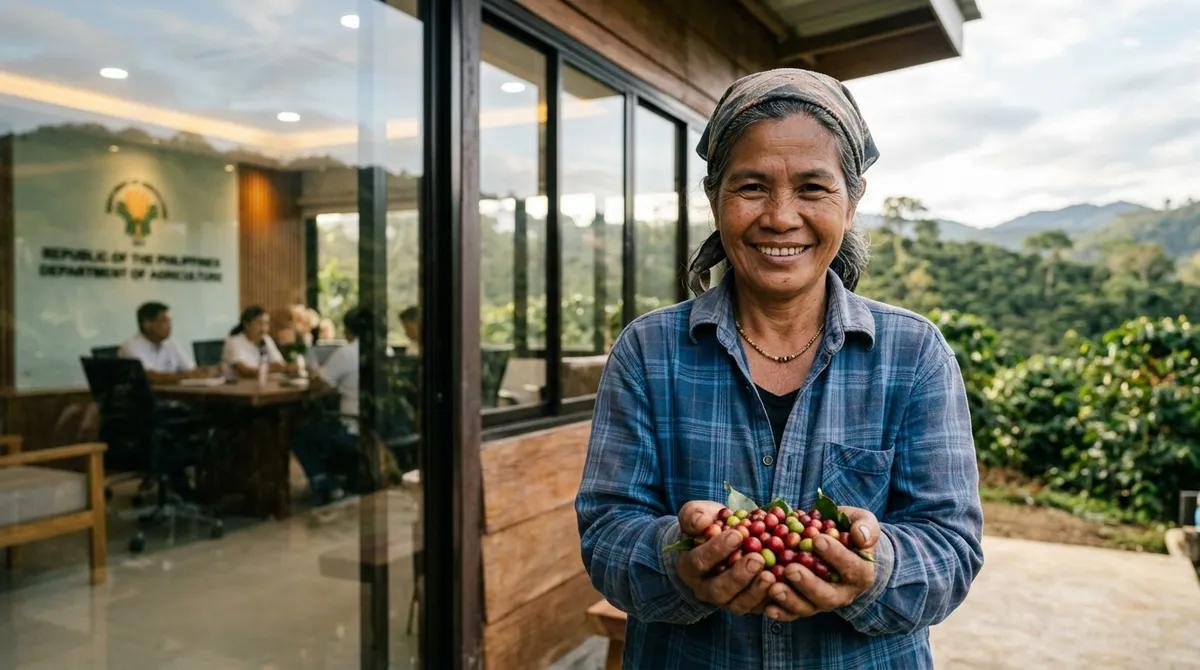
The Philippines is making significant strides to boost its coffee industry, propelled by the government's plans to establish a dedicated office for the sector. This initiative aims to bolster the nation's coffee production capabilities and enhance international competitiveness, reflecting the growing importance of coffee in the country's agricultural landscape.
The establishment of a dedicated coffee industry office marks a pivotal moment for Filipino coffee growers. The government's decision underscores a commitment to revitalize the sector, which plays a crucial role in the livelihoods of many rural communities. This move is expected to address various challenges, including production inefficiencies and market access, ultimately helping farmers increase their yields and profits.
The Importance of Coffee in the Philippines
Coffee has long been an integral part of the Philippine economy and culture. The country, with its diverse climates and fertile soil, provides an ideal environment for cultivating various coffee types, including Arabica, Robusta, Liberica, and Excelsa. Historically, coffee production in the Philippines has faced obstacles such as declining yields and competition from imports. However, recent governmental support aims to rejuvenate the industry, recognizing its potential to contribute significantly to the national economy.
Government Initiatives and Support
The creation of a specialized office signifies a strategic shift towards more structured support for coffee farmers. This office will likely focus on research and development, providing farmers with improved access to modern agricultural techniques and high-quality seeds. Additionally, the government plans to offer financial assistance programs, which are crucial for smallholder farmers looking to invest in technology and expand their operations.
Empowering Local Farmers
Empowering local farmers is at the heart of the government's strategy. By facilitating access to resources and knowledge, the new office aims to enhance productivity and sustainability across the coffee-growing regions. Training programs and workshops are expected to equip farmers with the skills needed to adopt best practices, fostering a more resilient agricultural sector.
Enhancing Market Opportunities
Beyond production improvements, the dedicated office will also focus on expanding market opportunities for Philippine coffee. By promoting local brands and securing international trade partnerships, the government seeks to elevate the global presence of Philippine coffee. This approach not only benefits the farmers but also enhances the country's reputation as a producer of high-quality coffee.
Challenges and Future Prospects
Despite these positive steps, the Philippine coffee industry still faces challenges that require ongoing attention. Climate change, pests, and diseases threaten crops, necessitating continuous innovation and adaptation. The government's initiatives must therefore include resilient strategies to mitigate these risks effectively.
Looking ahead, the prospects for the Philippine coffee industry appear promising. With strategic support and a focus on sustainable practices, the sector is poised for growth, potentially transforming the Philippines into a major player in the global coffee market.
Conclusion
The establishment of a dedicated coffee industry office in the Philippines represents a significant commitment to the sector's development. By addressing production challenges and expanding market opportunities, the government aims to empower local farmers and fortify the industry's future. As these efforts unfold, the Philippine coffee industry stands on the brink of a promising new chapter, poised to thrive both domestically and on the international stage.