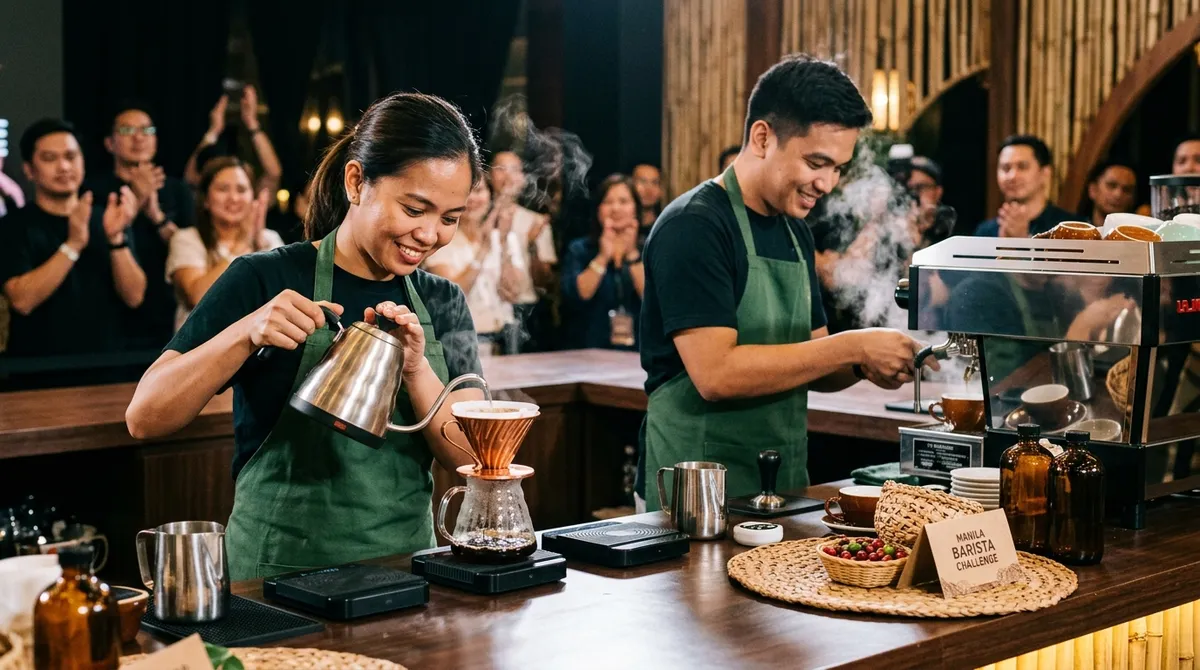
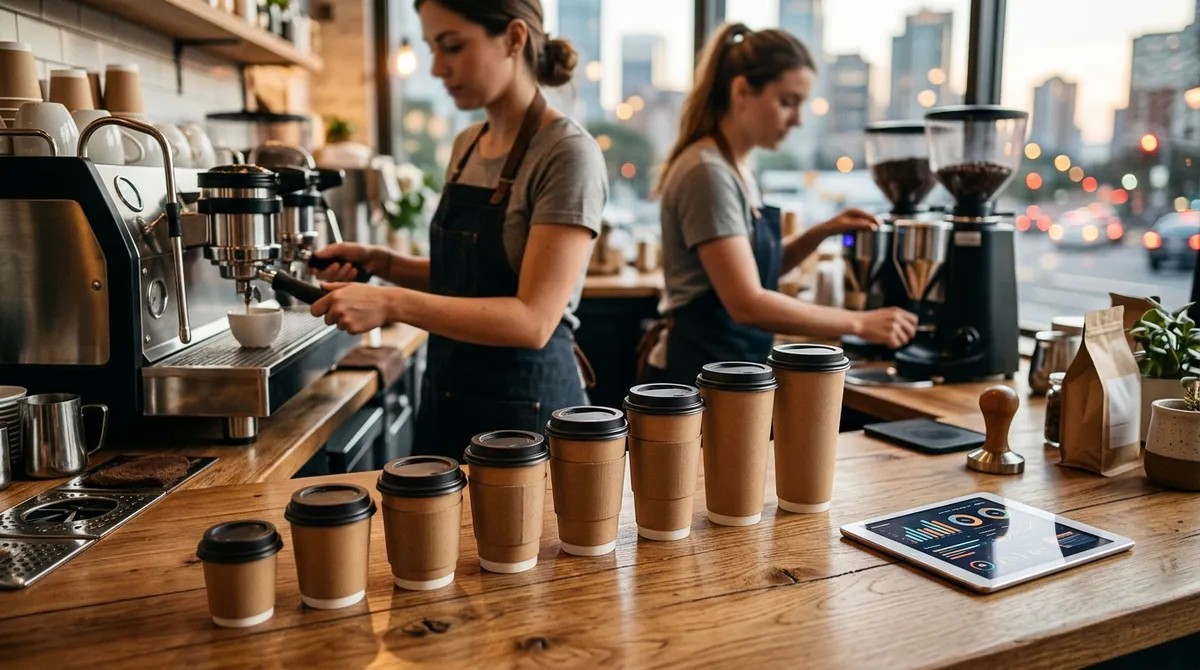
The global coffee franchise market is experiencing remarkable growth, driven by evolving consumer preferences and innovative business strategies. As coffee remains a staple for millions, franchises are capitalizing on this trend by expanding their offerings and enhancing customer experiences. This article delves into the key factors fueling the expansion of the coffee franchise market and highlights the major players contributing to this dynamic industry.
Market Dynamics and Trends
The coffee franchise market is witnessing significant momentum, largely due to the increasing demand for specialty coffee. Consumers are seeking unique and high-quality coffee experiences, prompting franchises to diversify their menus with artisanal brews and exotic flavors. This shift is not just about taste but also encompasses the entire coffee consumption experience, from ambiance to customer service.
Digital transformation is another critical trend reshaping the coffee franchise landscape. Brands are leveraging technology to streamline operations and enhance customer interactions. Mobile apps, online ordering, and contactless payment systems are becoming standard, offering convenience and efficiency to tech-savvy customers.
Key Players in the Coffee Franchise Industry
Several major players are dominating the coffee franchise market, each contributing to its robust growth. Industry leaders like Starbucks, Dunkin', and McCafé are continually innovating to maintain their competitive edge. These brands focus on expanding their global footprint while adapting to local tastes and preferences, ensuring they remain relevant in diverse markets.
Emerging franchises are also making waves, often by adopting niche strategies that cater to specific consumer segments. These newer entrants often emphasize sustainability and ethical sourcing, aligning with the growing consumer demand for socially responsible business practices.
Challenges and Opportunities
While the coffee franchise market presents numerous opportunities, it is not without challenges. Intense competition and market saturation in developed regions require franchises to differentiate themselves through unique value propositions. Additionally, fluctuating coffee bean prices and supply chain disruptions pose financial risks that need careful management.
Despite these challenges, the market offers ample opportunities for growth. Franchises that can successfully tap into emerging markets, particularly in Asia and Latin America, stand to benefit from a rapidly expanding consumer base. Furthermore, the increasing trend of remote work has led to a surge in home coffee consumption, offering potential for new product lines and delivery services.
The Future of Coffee Franchises
The future of coffee franchises looks promising, with continued growth anticipated as brands innovate and adapt to changing consumer needs. Sustainability will play a pivotal role, with more franchises committing to eco-friendly practices and reducing their carbon footprint. As millennials and Gen Z continue to shape market trends, their preference for personalized and ethical brands will drive further transformation in the industry.
Technological advancements will also remain a key focus, as franchises invest in digital solutions to enhance customer experiences and operational efficiency. From AI-driven analytics to virtual reality coffee shop tours, the possibilities are endless for those willing to embrace innovation.
In conclusion, the coffee franchise market is poised for significant growth, driven by evolving consumer preferences and technological advancements. As major players and emerging brands navigate this dynamic landscape, their ability to innovate and adapt will determine their success in this competitive industry.