A Taste of NYC's Most Iconic 2010s Restaurant Returns
One of New York City's most legendary dining destinations is making a comeback, albeit temporarily. Chef Angie Mar is bringing signature dishes and cocktails from the iconic Beatrice Inn to her current restaurant, Le B, for a limited summer run celebrating her 10-year anniversary of owning the space.
The Beatrice Inn defined a generation of NYC dining during the 2010s, transforming from a celebrity hangout into a fine-dining destination under Mar's leadership. According to reports, the restaurant became synonymous with culinary excess and innovation during that transformative decade.
From Employee to Empire Builder
Mar's journey represents a pivotal moment in NYC's restaurant power dynamics. She went from working for media mogul Graydon Carter to eventually buying him out, taking full control of the space that would become her culinary canvas. This transition marked not just a business deal, but a significant shift in the restaurant's identity and direction.
The chef transformed what was originally a celebrity gathering spot into a serious culinary destination, establishing herself as a formidable force in fine dining and female leadership within the industry.
The Craft Behind the Legend
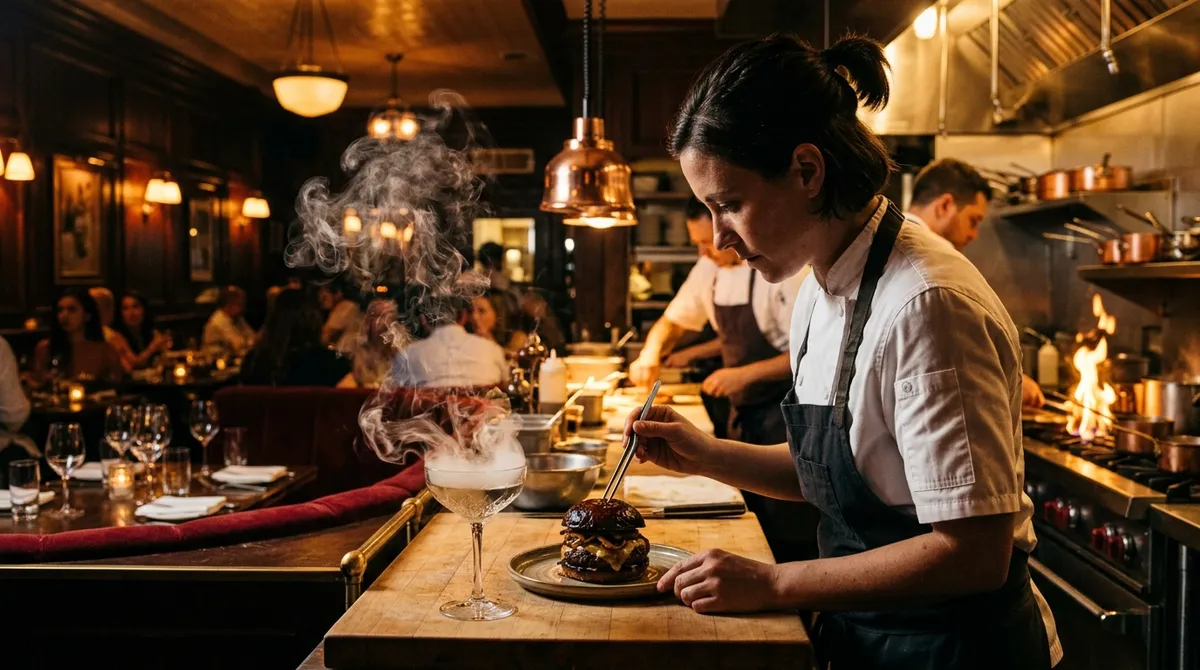
The Beatrice Inn's reputation was built on technical mastery and theatrical presentation. According to reports, signature offerings included a 45-day dry-aged burger that became the stuff of legend among NYC food enthusiasts. The restaurant also featured tableside-smoked Manhattans, combining culinary technique with dinner theater to create an immersive dining experience.
These dishes represented more than just food—they were cultural artifacts that captured the spirit of 2010s NYC excess and indulgence. The attention to detail and commitment to craft helped establish the Beatrice Inn as a defining restaurant of its era.
Nostalgia Meets Post-Pandemic Dining
The timing of this revival speaks to broader cultural currents. According to reports, nostalgia for the 2010s era has become culturally resonant as people seek escapism and indulgence in the post-pandemic landscape. High-end restaurants are increasingly revisiting their greatest hits, tapping into diners' desire for familiar comfort and memorable experiences.
This trend reflects how the restaurant industry has evolved to meet changing consumer expectations while honoring the dishes and experiences that originally built their reputations.
Evolution of a Space
The Beatrice Inn's journey illustrates the fluid nature of NYC's dining scene. The space evolved from the original Beatrice Inn to Le Trois Chevaux and eventually to Le B, each iteration reflecting different approaches to hospitality and cuisine while maintaining the essence of what made the location special.
According to reports, this evolution says something significant about post-pandemic dining trends and how restaurants adapt to changing times while preserving their core identity.
A Limited-Time Celebration
The summer revival at Le B represents more than just a menu throwback—it's a celebration of Mar's decade-long ownership and the lasting impact of the Beatrice Inn on NYC's culinary landscape. For diners who remember the original experience, it offers a chance to revisit those iconic flavors and presentations.
For those who missed the original run, this limited engagement provides an opportunity to experience dishes that helped define a generation of NYC dining. The revival also serves as a testament to the enduring appeal of carefully crafted, experiential dining that goes beyond simple sustenance.
Looking Forward While Honoring the Past
As the restaurant industry continues to evolve, Mar's decision to revisit the Beatrice Inn's greatest hits demonstrates how successful chefs balance innovation with nostalgia. The limited summer run allows her to honor the legacy that established her reputation while continuing to push forward with her current culinary vision at Le B.
This temporary return of the Beatrice Inn's signature offerings reminds us why certain restaurants become more than just places to eat—they become cultural touchstones that define eras and create lasting memories for the communities they serve.