The West African Tourism Union (WASCA) is taking significant strides to boost agro-tourism in the region through an innovative partnership with a leading Brazilian agricultural company. This collaboration aims to transform the agricultural landscape by integrating tourism, thus enhancing economic growth and cultural exchange.
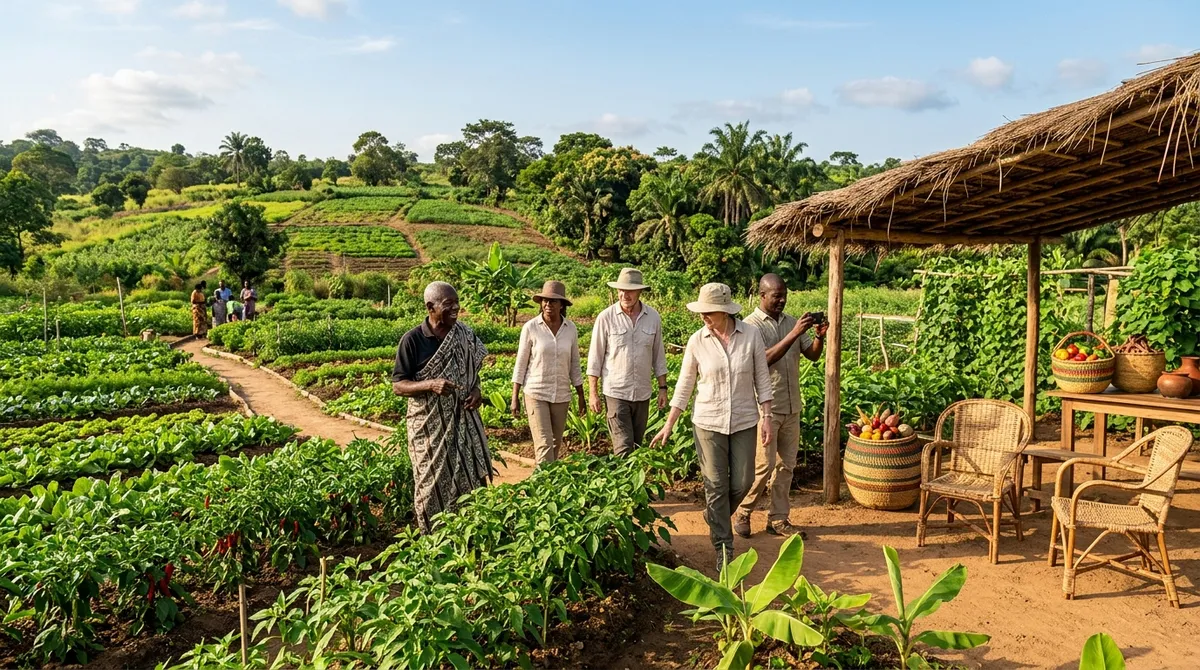
Agro-tourism, a rapidly growing sector, offers a unique blend of agriculture and tourism, providing visitors with an opportunity to experience farming life, taste local produce, and learn about sustainable practices. By collaborating with Brazil, renowned for its advanced agricultural technologies, West Africa seeks to leverage these insights to enhance its own agro-tourism offerings.
The Vision for Agro-Tourism in West Africa
WASCA's vision is to create a thriving agro-tourism sector that not only boosts local economies but also preserves cultural heritage. By attracting tourists to rural areas, the initiative aims to create jobs and promote sustainable agricultural practices. This collaboration with the Brazilian firm is expected to bring innovative farming techniques and enhance the quality of agro-tourism services offered in the region.
West Africa is rich in cultural diversity and agricultural resources, making it an ideal destination for agro-tourism. By highlighting these assets, the region can attract a global audience interested in unique travel experiences that combine cultural immersion with agricultural education.
Leveraging Brazilian Expertise
The Brazilian firm involved in this partnership is known for its pioneering agricultural technologies and sustainability practices. By sharing expertise, the collaboration aims to introduce cutting-edge farming methods to West African farmers. This includes techniques for increasing crop yields, improving resource management, and implementing eco-friendly practices.
The exchange of knowledge and technology is expected to enhance the productivity and appeal of agro-tourism in West Africa. Visitors will have the chance to witness these advanced techniques in action, providing a new dimension to their travel experience.
Economic and Cultural Benefits
This partnership holds significant potential for economic growth in the region. By developing agro-tourism, rural communities can diversify their income sources beyond traditional agriculture. The influx of tourists brings new revenue streams, supports local businesses, and creates employment opportunities in hospitality and service sectors.
Culturally, this initiative promotes the preservation of traditional farming practices and local customs. Tourists can engage with local communities, learn about their way of life, and participate in cultural exchanges, fostering mutual understanding and appreciation.
Challenges and Opportunities
While the potential benefits are substantial, the initiative also faces several challenges. Infrastructure development is crucial to accommodate the anticipated increase in tourists. Investments in transportation, accommodation, and communication networks are necessary to ensure a seamless tourist experience.
Additionally, training programs for local farmers and hospitality workers are essential to equip them with the skills needed to cater to international visitors. This involves language training, customer service skills, and knowledge of sustainable practices.
Despite these challenges, the opportunities for growth and development are immense. By addressing these issues, West Africa can position itself as a leading agro-tourism destination, attracting a diverse range of visitors from around the world.
Future Prospects
The collaboration between WASCA and the Brazilian firm marks a significant milestone in the development of agro-tourism in West Africa. As the partnership progresses, it is expected to inspire further collaborations and investments in the sector, driving innovation and sustainable development.
Looking ahead, the future of agro-tourism in West Africa appears promising. With continued support from international partners and local governments, the region is poised to become a hub for agro-tourism, offering unique and enriching experiences for travelers while supporting local communities and economies.