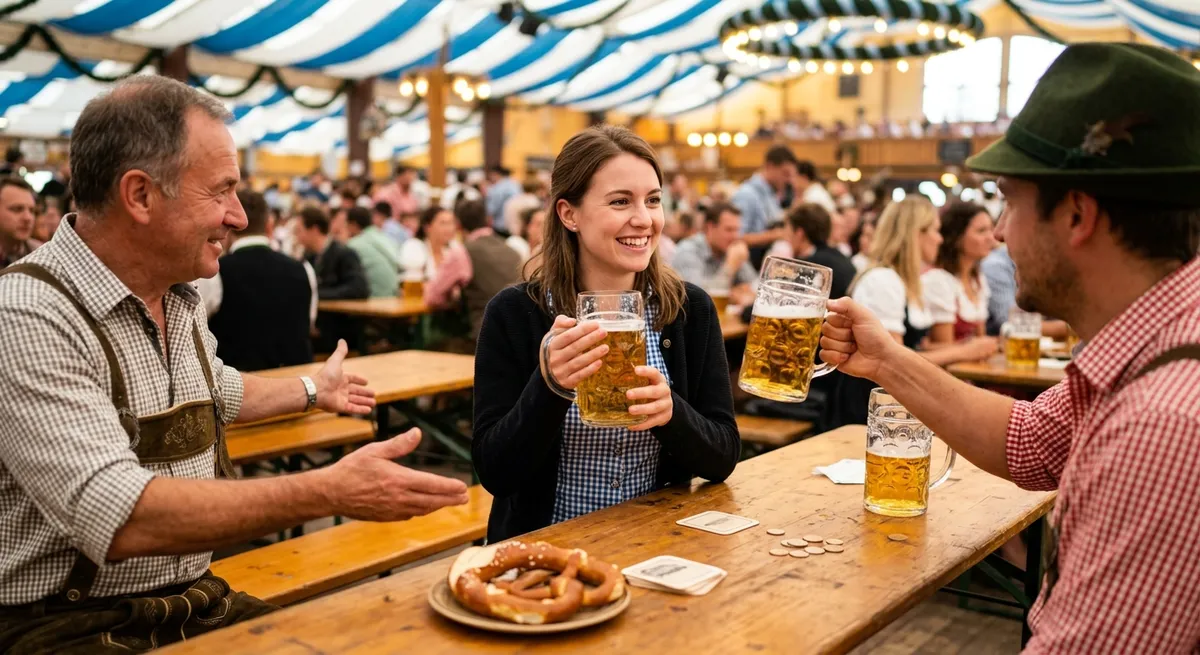
The winners of the 2026 Great American Beer Festival were announced at the outdoor festival on October 11, per Forbes, which describes the event as the largest commercial beer competition in the United States. This is a coffee site, so why does it matter here? Because competition results are one of the most useful, least-used tools for anyone who cares about what's in their cup, and the way beer fans use them can sharpen how you shop for coffee.
By the end of this piece, you'll have a simple method for turning any award list, beer or coffee, into a short, doable tasting plan.
What we actually know about the 2026 results
Let's keep this honest. The coverage we're working from, Forbes' roundup of the best beers in America according to the festival, frames the winners as a snapshot of what's leading the U.S. craft beer scene right now. It doesn't give us the full medal list here, so we won't recite winners or make claims about specific breweries or styles. For the actual list, go to the Forbes piece or the festival's own results.
What we can take from the facts: a large, commercial competition publishes winners once a year, the results land on a known date, and anyone can use them as a shopping and tasting guide. That's the part worth borrowing.
Why competition winners are a smart shortcut
An award list does one thing very well: it narrows a huge field. Walk into a bottle shop or a roaster's online store and you face hundreds of choices. A winners list gives you a curated starting point chosen by people who tasted side by side, under the same conditions.
The caveat is real, too. Awards reward what judges favor in a competition setting. That's not always what you'll enjoy at 7 a.m. or on a patio. Treat a winner as a strong recommendation, not a verdict.
Build a tasting checklist from any award list
This is the method, and it works equally well for coffee.
Step 1: Pick three, not thirty
Scan the list and choose three entries you can actually get. Pick one that sounds familiar, one that sounds like a stretch, and one from a producer near you. Three is enough to learn something and few enough to finish.
Step 2: Taste in a deliberate order
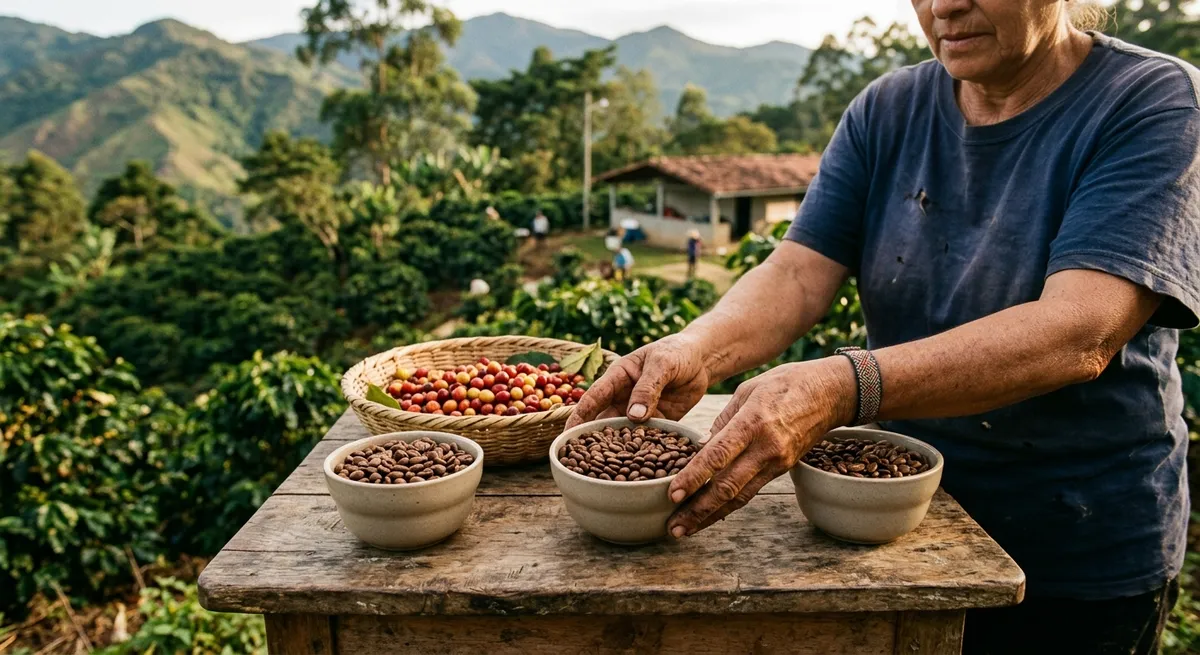
Go light to bold. For coffee, that usually means a washed, lighter roast first, then something heavier or more fermented-tasting. Tasting the intense one first flattens everything after it.
Step 3: Write one line per entry
Just one: what you smelled, what you tasted, whether you'd buy it again. A note like "jammy, a little sour, would buy again" beats a vague memory a week later.
Step 4: Compare against your daily drink
Brew your everyday coffee the same way, same day, and taste it right after. This is where the real learning happens. You'll hear what the winner does that your default doesn't, whether it's more sweetness, more clarity, or a longer finish.
Taste the way judges do, at home
Competitions work because they control variables. You can copy that.
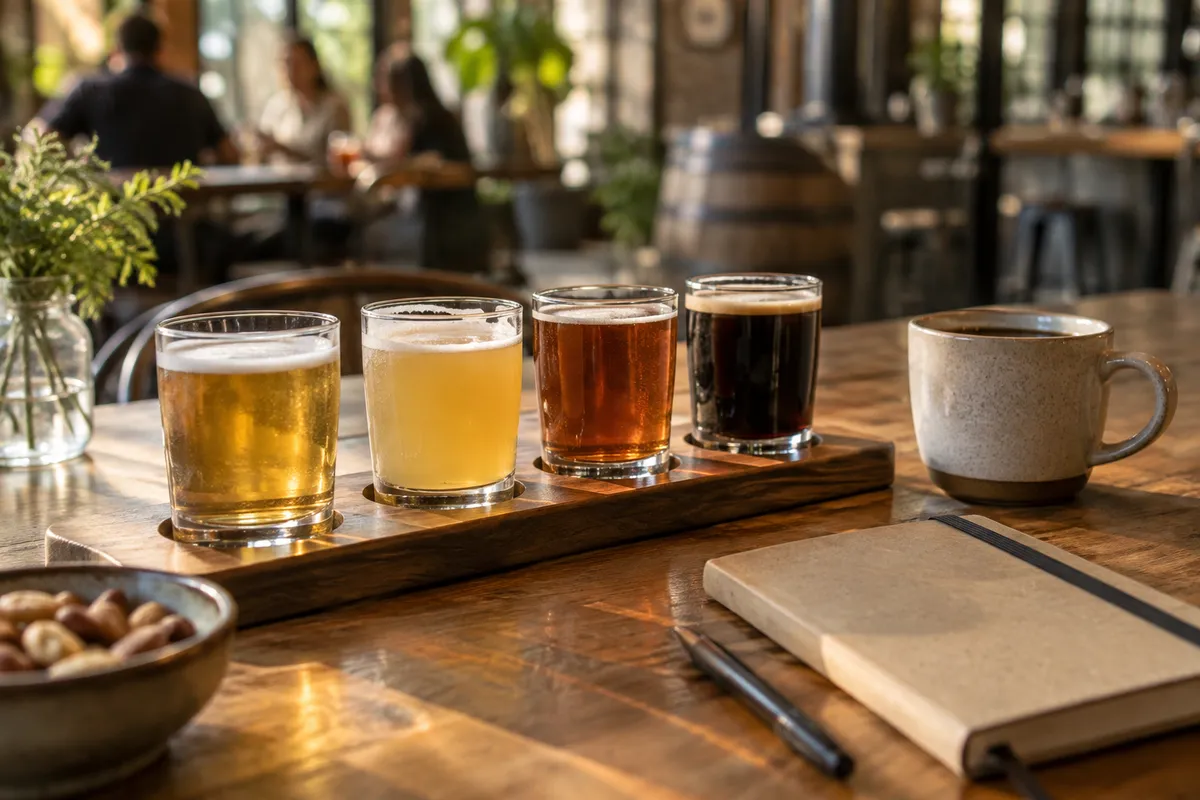
- Same vessel: Use identical cups or glasses for every sample.
- Same conditions: For coffee, use the same brew method, water, and ratio. A common starting point is about 1:16, one gram of coffee to sixteen grams of water, then adjust to taste.
- Same temperature window: Let hot coffee cool a little and taste it at several points. Flavors shift as it cools, and sweetness often shows up later.
- Water between samples: Cleanse your palate so one sample doesn't bleed into the next.
If you want to go further, ask a friend to pour for you without telling you which is which. Blind tasting is humbling, and it's the fastest way to find out what you actually prefer versus what the label told you to like.
Use the results to learn trends, carefully
One of the more interesting uses of an award list is spotting patterns: which styles show up repeatedly, which regions keep appearing. Forbes positions this year's winners as a read on what's leading American craft beer. Coffee has the same kind of signals in its own competitions and cupping events.
We'd urge caution, though. One year's results are one data point. If you see a style or origin pop up, treat it as a prompt to try something new, not proof that a trend has taken over. Look for repeats across multiple years before you change what you stock at home.
Where beer and coffee overlap
Beer and coffee fans share more habits than they admit. Both obsess over sourcing, freshness, and the maker behind the product. Both reward curiosity. And both have a cottage industry of people who will argue about the right way to enjoy them.
A practical overlap: freshness matters in both. Buy beer by its packaging date when it's listed, and buy coffee by its roast date. If a bag has no roast date, that's worth a pause. Many coffee drinkers find beans taste best within a few weeks of roasting, though that's a rule of thumb, not a law.
Make your own award season
You don't need a festival to do this. Pick a theme, say three single-origin coffees from different countries, or three local roasters' house blends. Brew them the same way, taste them in order, score them one to five, and crown a winner.
Then do the part most people skip: buy a second bag of the winner and a second bag of the one that surprised you most. That's how a tasting turns into a better pantry.
Next time an award list drops, in beer, coffee, or anything else, pick three entries, taste them side by side with your everyday standard, and write one honest line about each.