
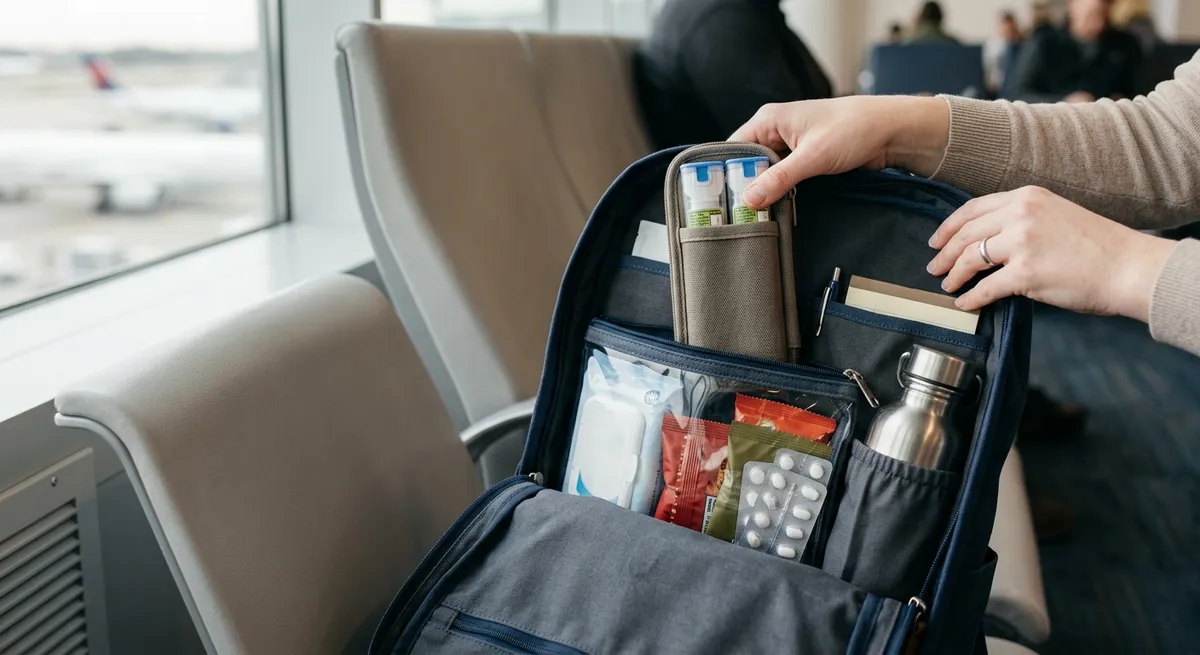
Traveling with severe food allergies can be daunting, especially with the recent changes in air travel and food service policies. As millions of people navigate the skies with dietary restrictions, understanding how to manage allergies effectively while flying has never been more critical. Here’s a practical guide to packing for your next flight while keeping your allergies in check.
1. Start with a Comprehensive Packing Checklist
Before packing, create a checklist of all the essentials you’ll need while traveling. Consider including:
- Emergency allergy medication: Always carry your epinephrine auto-injector and any antihistamines. Make sure these are easily accessible.
- Allergy-safe snacks: Pack a variety of snacks that won’t trigger your allergies. Think sealed items that travel well, such as:
- Nut-free energy bars
- Dried fruit
- Rice cakes
- Popcorn
- Travel-sized hand sanitizer: To help minimize any potential allergens from surfaces.
2. Research Airline Policies Ahead of Time
Different airlines have varied policies concerning food allergies. Contact your airline before traveling to find out what accommodations they can provide. This can include:
- Pre-ordering meals that accommodate your allergies.
- Requesting that nothing containing your allergens be served during your flight.
Knowing these policies can help you advocate for yourself effectively when at the airport.
3. Pack Smartly for Security
While packing snacks and medication, keep in mind that security regulations might affect how you carry these items. Here are some quirks to consider:
- Epinephrine auto-injectors and any liquid medications may need to be declared at security.
- Keep items in their original containers wherever possible, as this will assist with identification if necessary.
4. Create a Travel Allergy Card
Design a small card that lists your allergies and any relevant medical information. This can be shown to airline staff or fellow passengers if you need help. Include:
- A brief list of your allergens.
- Instructions on what to do in case of an allergic reaction.
Having this card can simplify communication and ensure those around you are aware of your condition.
5. Stay Calm and Confident
Allergy management is often about preparation and communication. When boarding, don’t hesitate to remind the flight attendants about your allergies and reiterate any accommodations you requested.
Moreover, if something does not seem right about your meal or snacks, trust your instincts—better to be safe than sorry!
6. Plan for Emergency Situations
In the event of an allergic reaction, it's crucial to have a plan:
- Know the nearest medical facilities at your destination, particularly if you're traveling internationally.
- Travel with a companion who understands your allergies and can assist if necessary.
Conclusion
Flying with severe food allergies doesn’t have to be stressful. By following these packing tips and strategies, you can ensure that you’re well-prepared for your journey, allowing you to focus on enjoying your travels rather than worrying about your allergies. Remember, thorough preparation is your best ally in safe travel.