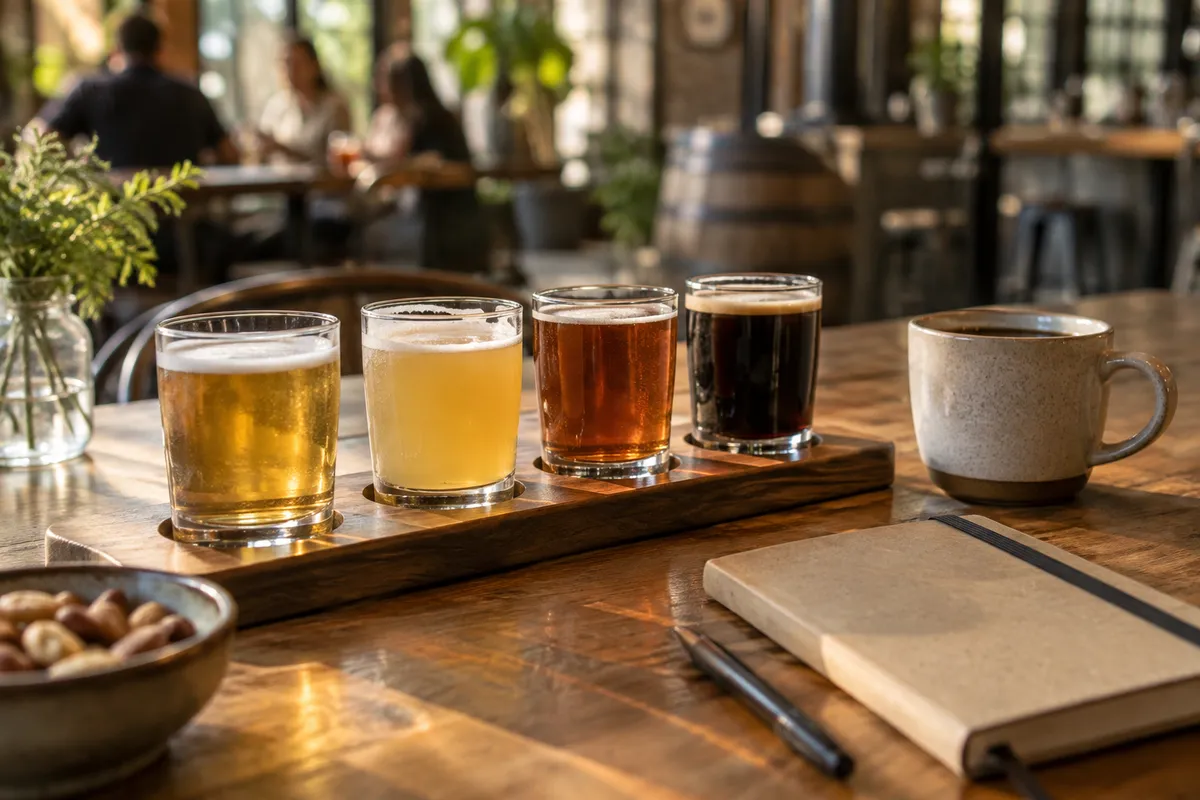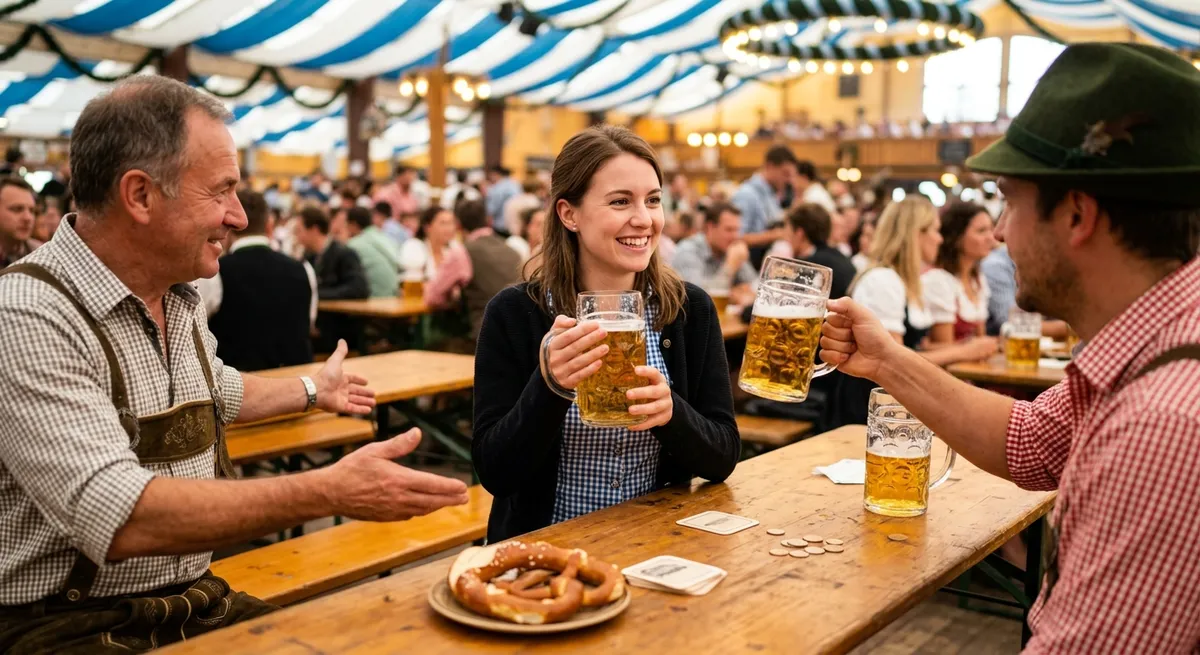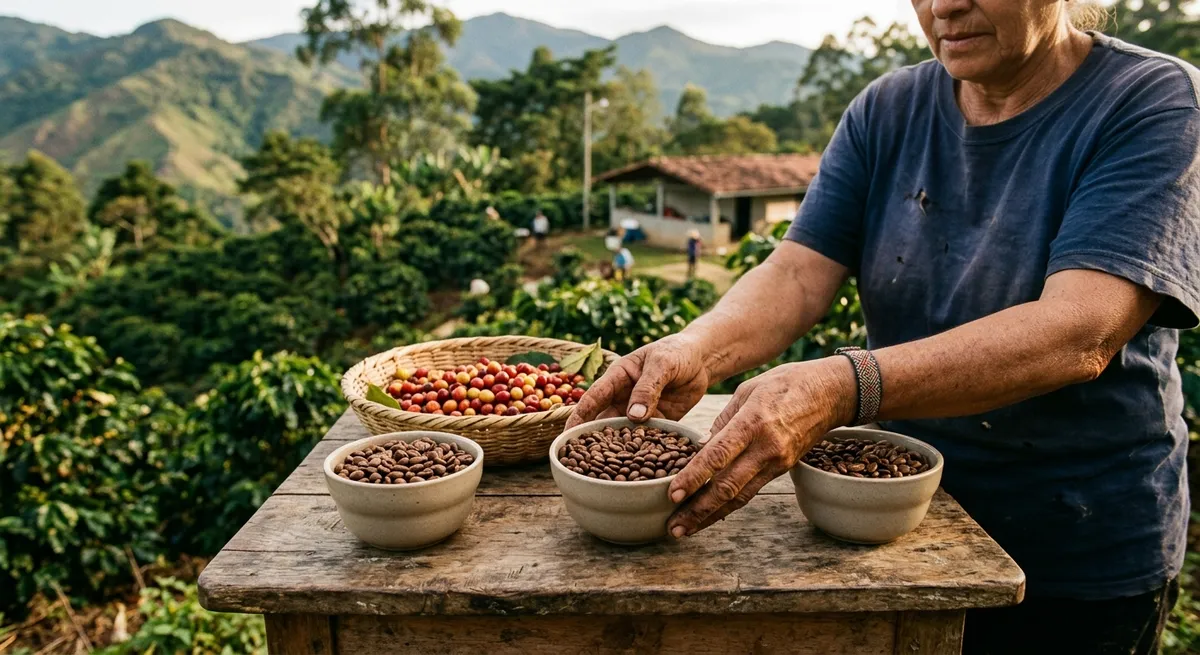
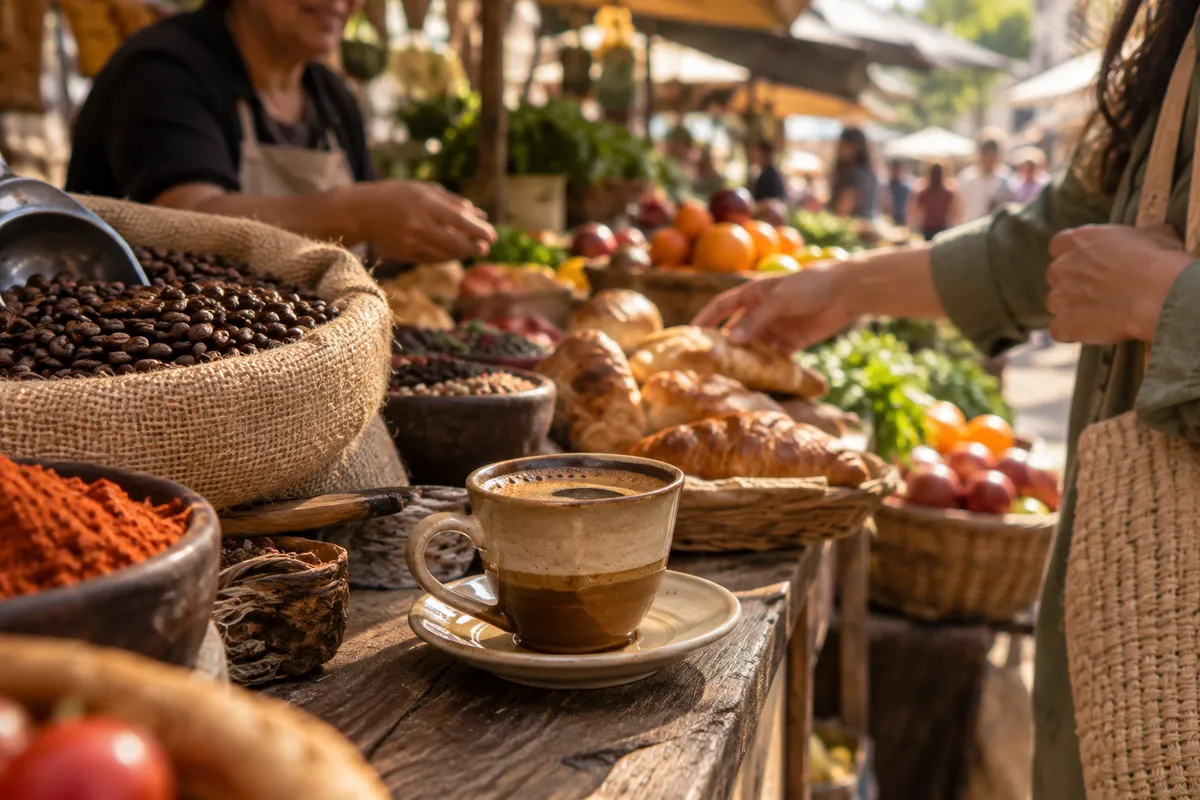
Food is increasingly the reason people pick a destination, not just the thing they do between sights. A piece from Meer's English edition, picked up via Google, describes food tourism as a major force in travel, with culinary experiences shaping where people go and how they explore once they arrive. It also points to a broader shift: travelers are prioritizing authentic, local, experience-led trips.
That's good news if you care about coffee. Below is a practical way to build a trip around what's in your cup and on your plate, with the cafe as your anchor rather than an afterthought.
Start With the Food, Then Pick the Place
Most people choose a city, then look for restaurants. Flip it. Decide what you want to taste or learn, then choose where to go.
Ask yourself two questions:
- What do I want to eat or drink that I can't get properly at home?
- Which place does it best, or has its own tradition around it?
For a coffee drinker, that might mean a region with a distinct cafe culture or a place near where coffee is grown. Once you have the "why," the route builds itself.
Build the Itinerary Around Meals, Not Landmarks
The Meer piece frames food as increasingly shaping how travelers explore. You can apply that literally: treat meals and coffee stops as the fixed points of your day, and fit everything else around them.
A simple template:
- Morning: one specific cafe or bakery you've researched, not whatever is nearest the hotel.
- Midday: a market or street food area, which doubles as sightseeing.
- Afternoon: a second coffee stop or a tasting, ideally in a different neighborhood.
- Evening: one sit-down meal, booked ahead if it matters to you.
Leave gaps. The best finds tend to come from wandering between your fixed points.
Use the Places That Show You How Locals Eat
The source lists markets, restaurants, street food, farms, and local traditions as the ways travelers discover a destination through food. Each does a different job.
Markets
You see what's in season, what locals buy, and what's sold cheaply. Go early, walk the whole thing once before buying, and eat where the queues are local.
Street food
It's the fastest route to a place's everyday flavors. Order one thing at a time rather than a full meal, so you can sample more stalls.
Farms
If you can visit a producer, do. Seeing where ingredients come from changes how you taste them. For coffee fans, that means asking whether a cafe or roaster you visit can tell you where its beans come from, and whether any farm or processing visits are offered in the area.
Local traditions
Look for how people drink and eat, not just what. Is coffee a quick standing drink or a long social break? Following the local rhythm often gets you better food and a better experience.
Find the Food Experiences Tourists Often Miss
One angle the source raises is hidden food experiences that visitors overlook. You won't find them by searching "best restaurants." Try these habits instead:
- Ask a specific question. "Where do you go for breakfast on a normal weekday?" gets better answers than "What's good here?"
- Talk to the person behind the counter. Baristas, bakers, and market vendors usually know the neighborhood's best next stop.
- Go outside the center. Residential neighborhoods often hold the cafes and small eateries built for locals, not passing foot traffic.
- Shift your timing. Eating at local hours, rather than tourist hours, changes which places feel alive.
Spend in Ways That Reach the Community
Food tourism also raises the question of what it means for the people who live there. The piece notes that tourism boards, creators, and hospitality brands all see food as a powerful driver. As a traveler, you have a say in where the money lands.
Practical ways to help:
- Choose independent cafes, family-run restaurants, and market stalls over chains.
- Buy beans, snacks, or ingredients directly from small producers or roasters to take home.
- Learn a few words of the local language for ordering. It's a small courtesy that tends to be appreciated.
- Respect the way things are done, including queues, seating customs, and how a stall expects to be approached.
These are our suggestions rather than findings from the report, but they follow naturally from a trip that centers on local food.
A Quick Planning Checklist
Before you book:
- Name the one dish, drink, or tradition that's the reason for the trip.
- Shortlist three cafes or food spots per day, and commit to only one or two.
- Mark a market and, if possible, a producer visit.
- Save a few unplanned hours.
- Note opening days. Many small cafes and stalls close on specific weekdays.
Take One Step Today
Pick the one thing you most want to taste, find the place that does it best, and plan the trip backward from there.