
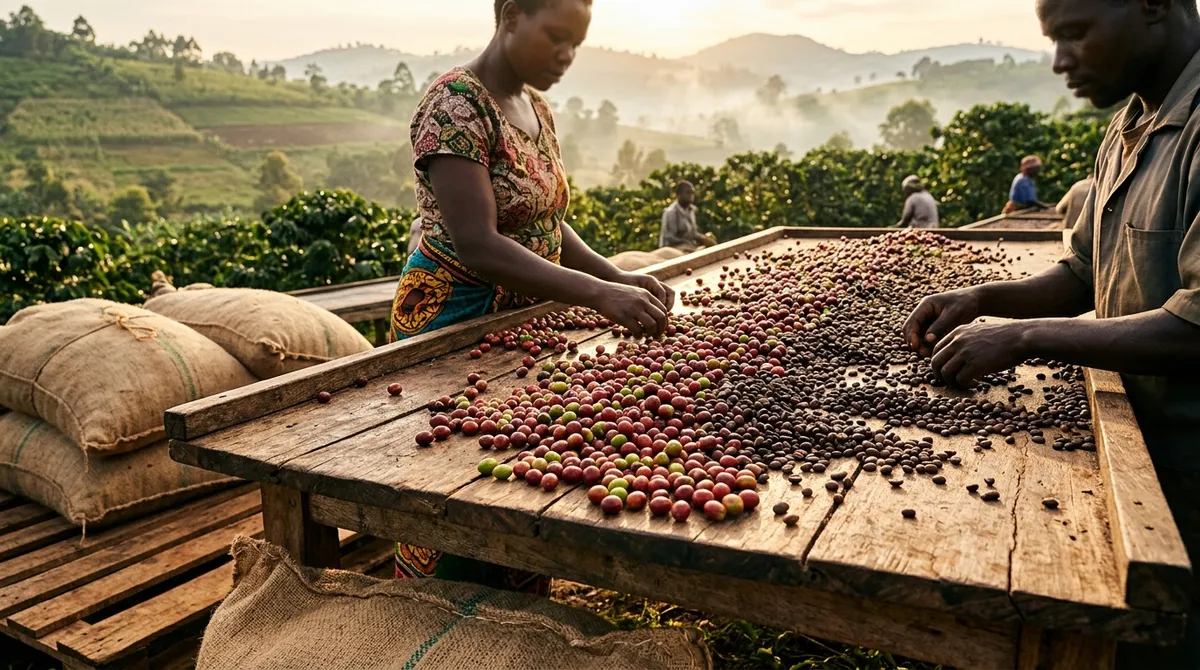
Uganda has emerged as a prominent player in the global coffee market, experiencing a significant surge in coffee shipments. This remarkable growth, over 60% in recent months, is largely attributed to a bountiful harvest driven by favorable weather conditions and expanded cultivation efforts. This development not only highlights Uganda's agricultural prowess but also underscores the nation's strategic role in the coffee industry.
The Rise of Uganda's Coffee Industry
In recent years, Uganda's coffee sector has seen unprecedented growth. Farmers across the nation have benefited from ideal weather patterns, leading to increased yield and quality of coffee beans. This surge in production has positioned Uganda as a key supplier of robusta coffee, a variety favored for its strong flavor and high caffeine content.
The government and agricultural bodies have played a crucial role in this success. By investing in modern farming techniques and providing support to small-scale farmers, they have enhanced productivity and sustainability. These efforts have enabled Uganda to meet the rising global demand for coffee, particularly in emerging markets.
Impact on the Economy
The coffee boom has had a profound impact on Uganda's economy. As the second-largest foreign exchange earner after tourism, coffee has provided financial stability to countless families. The increased export volumes have strengthened the national economy, providing funds for infrastructure development and social services.
Moreover, the coffee sector has created numerous employment opportunities, from farming to processing and export. This has significantly reduced poverty levels in rural areas, where agriculture remains the primary source of livelihood.
Challenges and Opportunities
Despite the impressive growth, Uganda's coffee industry faces several challenges. Climate change poses a significant threat, with unpredictable weather patterns potentially affecting future harvests. To mitigate these risks, there is a growing emphasis on sustainable farming practices and climate resilience strategies.
Additionally, the industry must address issues related to market access and pricing. Farmers often struggle with fluctuating coffee prices, which can impact their income and investment capacity. By establishing stronger trade partnerships and exploring value-added products, Uganda can enhance its competitive edge on the global stage.
The Global Coffee Market
Uganda's success story is part of a broader trend in the global coffee market. As consumer preferences evolve, there is an increasing demand for unique coffee flavors and sustainable sourcing. Uganda's robusta coffee, with its bold taste and ethical production, is well-positioned to meet these demands.
The rise in specialty coffee shops and the growing popularity of home brewing have further fueled the demand for high-quality coffee beans. Uganda's focus on quality assurance and certification has enabled it to tap into these lucrative niches, offering premium products to discerning customers worldwide.
Future Prospects
Looking ahead, Uganda's coffee industry has a promising future. Continued investment in research and development, alongside government support, will be crucial in maintaining growth momentum. By embracing innovation and sustainability, Uganda can secure its position as a leading coffee producer in the years to come.
As global coffee consumption continues to rise, Uganda's strategic focus on quality and sustainability will ensure that it remains a key player in the international coffee market. With a commitment to excellence, Uganda is set to thrive in this competitive industry.