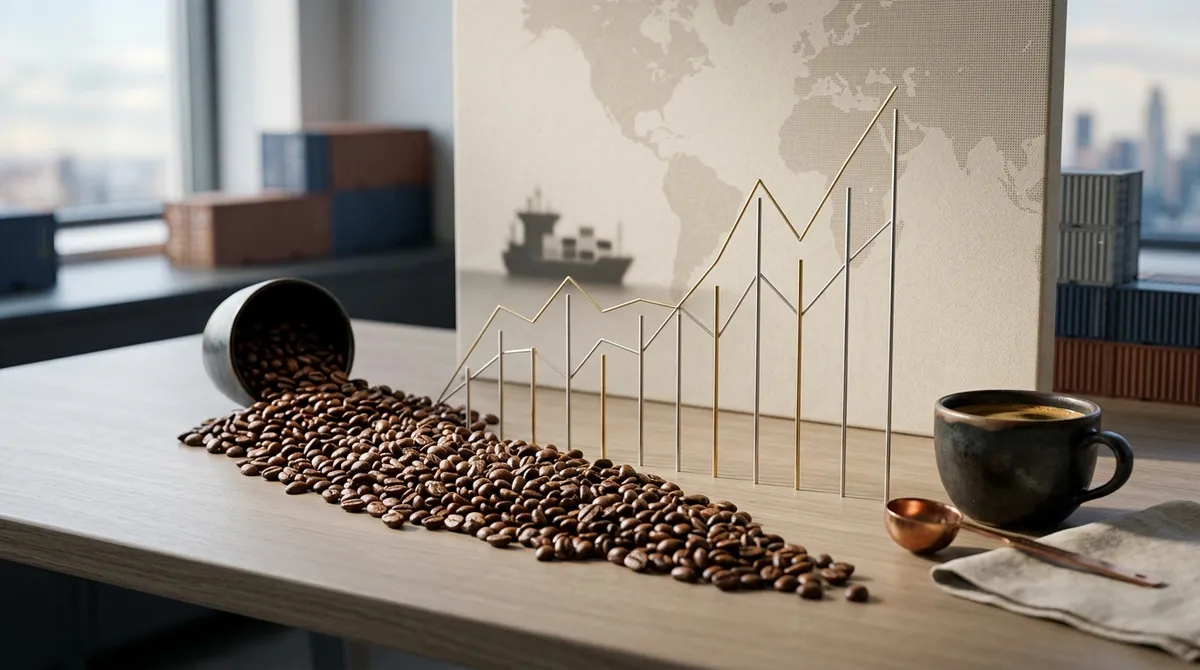
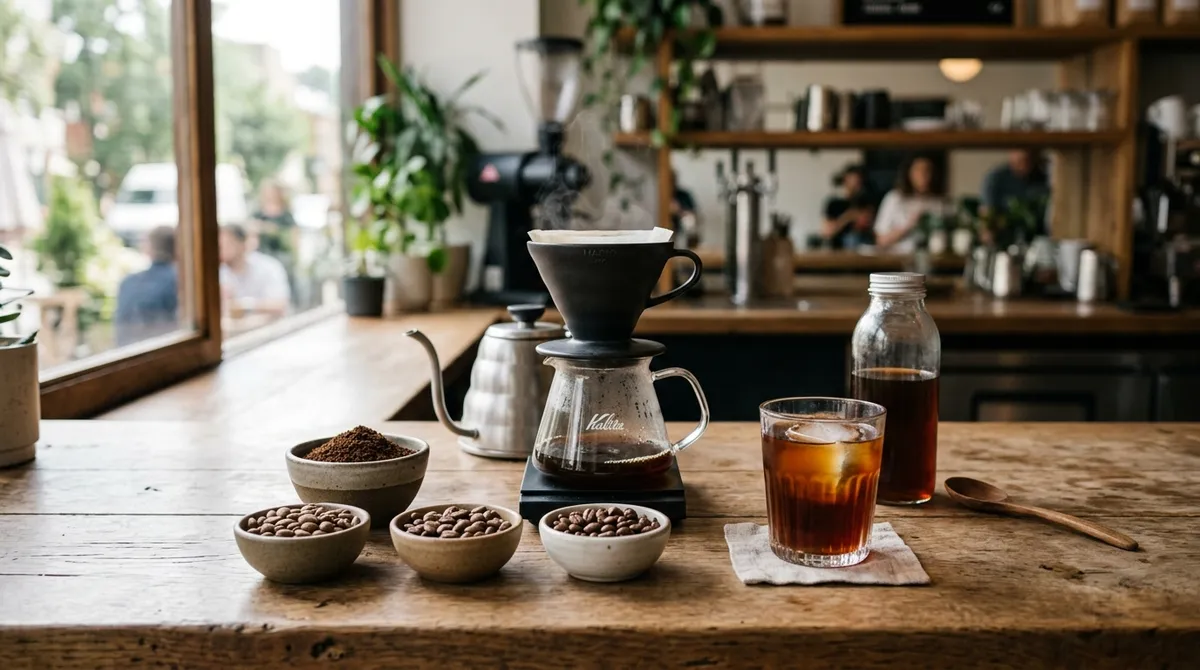
The specialty coffee market is expanding as consumers trade ordinary cups for better flavor, traceable sourcing, and café-style experiences at home. Premium beans, single-origin labels, cold brew, and ethical certifications are shaping demand across retail shelves, coffee shops, and online platforms.
Specialty Coffee Moves From Niche to Mainstream
Specialty coffee once belonged mainly to independent roasters and boutique cafés. Today, it has become a global growth category. Consumers now look beyond caffeine and convenience. They want aroma, origin, roasting style, processing method, and a story behind every cup.
In the coffee industry, specialty coffee typically refers to beans scoring 80 points or higher on recognized quality scales. That standard reflects careful cultivation, harvesting, roasting, and brewing. It also creates a clear distinction from mass-market coffee, where consistency and price often matter more than complexity.
This shift is changing how brands compete. Producers, roasters, and retailers are investing in premium blends, direct trade relationships, sustainable packaging, and digital sales channels. As a result, specialty coffee is no longer viewed as a luxury for a small audience. It is becoming a regular purchase for many urban and quality-conscious consumers.
Key Factors Driving Specialty Coffee Market Growth
Several consumer trends are supporting the rise of premium coffee. The first is taste exploration. Younger buyers, especially millennials and Gen Z consumers, often enjoy experimenting with different flavor profiles. They are more willing to try Ethiopian, Colombian, Kenyan, Brazilian, or Indonesian origins, each offering a distinct sensory experience.
Another driver is the growing café culture. Coffee shops have become social spaces, work hubs, and lifestyle destinations. This has introduced more consumers to espresso-based drinks, pour-over methods, cold brew, and specialty lattes. Once people discover these formats outside the home, many seek similar quality in their own kitchens.
Health and wellness also play a role. While coffee is not new, many consumers now prefer products perceived as natural, minimally processed, and free from artificial additives. Organic coffee, low-acidity options, and clean-label products have gained attention among shoppers who connect better-quality beans with better daily routines.
Premiumization is another major influence. Consumers may reduce spending in some categories, yet still pay more for small indulgences. A carefully brewed cup of coffee offers affordable luxury. This makes specialty coffee resilient, even during periods of economic uncertainty.
Sustainability and Traceability Shape Buying Decisions
Modern coffee buyers increasingly ask where their coffee comes from. They want transparency across the supply chain, from farm to roaster to cup. This has boosted demand for direct trade, fair trade, Rainforest Alliance, organic, and other sustainability-linked claims.
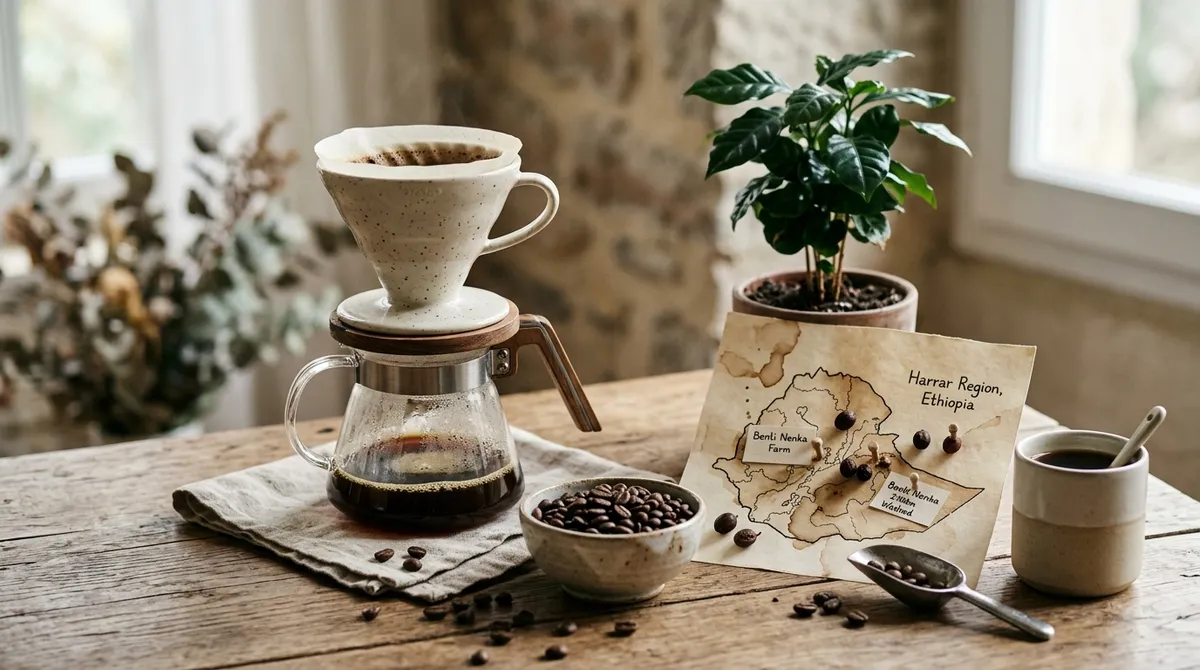
Traceability gives producers and brands a stronger market position. When packaging identifies the farm, region, altitude, or processing method, consumers feel more connected to the product. It also helps roasters communicate quality and justify higher pricing.
However, sustainability is not only a marketing point. Coffee production faces serious pressure from climate change, unpredictable rainfall, and rising temperatures. These risks can affect bean quality, yields, and farmer income. Specialty coffee companies are therefore supporting farmer training, climate-resilient farming, and long-term sourcing partnerships.
Popular Product Segments in Specialty Coffee
Arabica Remains the Premium Favorite
Arabica beans continue to dominate the premium coffee conversation. They are valued for smoother taste, aromatic complexity, and lower bitterness compared with many robusta varieties. Specialty roasters often highlight arabica origins because they allow more nuanced flavor notes, such as citrus, berries, chocolate, florals, or caramel.
Still, robusta is gaining renewed interest in some premium applications. Fine robusta, when grown and processed carefully, can offer body, crema, and intensity. This is especially useful in espresso blends. As quality standards improve, robusta may play a larger role in specialty coffee innovation.
Whole Bean, Ground Coffee, and Capsules
Whole bean coffee appeals to enthusiasts who want maximum freshness and control. These consumers often own grinders, espresso machines, pour-over equipment, or French presses. They enjoy adjusting grind size and brewing time to match each origin.
Ground specialty coffee serves buyers who want quality without extra preparation. It remains important in supermarkets, specialty stores, and subscription services. Meanwhile, premium capsules and pods are attracting busy consumers who value speed but do not want to sacrifice taste.
Cold Brew and Ready-to-Drink Formats
Cold brew has become one of the most visible specialty coffee trends. Its smoother profile, lower perceived bitterness, and refreshing format appeal to younger consumers. Ready-to-drink specialty coffee has also expanded through cans, bottles, and functional beverages.
Brands are adding oat milk, protein, low sugar, and natural flavors to capture new occasions. This positions specialty coffee not only as a morning beverage, but also as an afternoon refreshment or on-the-go energy option.
How Distribution Channels Are Changing
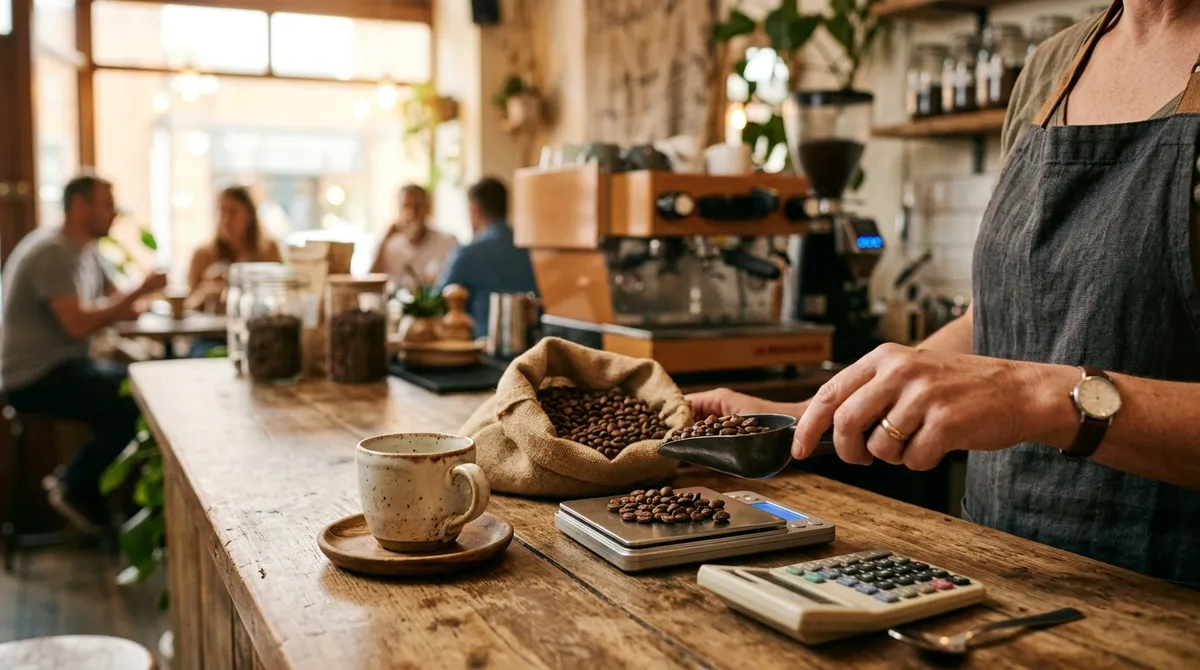
Coffee shops remain powerful in shaping consumer preferences. Baristas introduce customers to brewing methods, seasonal origins, and roasting styles. Independent cafés also help small roasters build loyal communities.
Retail stores continue to matter, especially for packaged beans and ground coffee. Supermarkets and specialty grocery chains are giving more shelf space to premium offerings. Eye-catching labels, origin details, and sustainability seals help products stand out in crowded aisles.
E-commerce is one of the fastest-changing channels. Online stores allow roasters to reach customers directly, explain product details, and offer subscriptions. Consumers can receive freshly roasted coffee at home, often with flexible delivery schedules. This model also improves customer loyalty and gives brands valuable data about preferences.
Regional Outlook for the Specialty Coffee Market
North America remains a major specialty coffee market, supported by strong café culture and well-established premium coffee brands. Consumers in the United States and Canada are highly familiar with cold brew, espresso drinks, single-origin beans, and at-home brewing accessories.
Europe also has deep coffee traditions. Countries such as Italy, Germany, France, the United Kingdom, and the Nordic nations contribute to strong demand. European consumers often value quality, sustainability, and authenticity, making the region highly attractive for premium roasters.
Asia-Pacific is emerging as a dynamic growth region. Rising incomes, urban lifestyles, and expanding café chains are building demand in markets such as China, Japan, South Korea, India, and Southeast Asia. Younger consumers in these countries are embracing specialty cafés, social coffee experiences, and premium packaged products.
Latin America plays a dual role as both producer and consumer. Countries including Brazil, Colombia, Costa Rica, and Guatemala are known for high-quality beans. Domestic specialty coffee scenes are also growing as local consumers show greater interest in premium regional coffees.
Competitive Landscape and Brand Strategies
The specialty coffee market includes global beverage companies, established café chains, independent roasters, and digital-first brands. Major players often use scale, retail access, and product diversification. Smaller companies compete through craftsmanship, origin storytelling, freshness, and community engagement.
Common strategies include limited-edition microlots, seasonal releases, subscription programs, sustainable sourcing commitments, and collaborations with farmers. Many roasters also invest in education, helping customers understand grind size, water temperature, and brewing techniques.
Packaging innovation is another important area. Resealable bags, recyclable materials, compostable options, and clearer roast-date labeling all support premium positioning. For online orders, packaging must also protect freshness during shipping.
Challenges Facing Specialty Coffee Companies
Despite strong demand, the market faces several challenges. Premium coffee depends on consistent bean quality, yet climate change can disrupt harvests. Extreme weather can reduce output and increase costs across the supply chain.
Price volatility is another concern. Green coffee prices can shift quickly due to crop conditions, currency changes, shipping costs, and geopolitical factors. Specialty brands must balance fair farmer payments with consumer expectations around affordability.
Competition is also increasing. As more brands enter the market, differentiation becomes harder. Companies need strong quality control, credible sourcing claims, and memorable customer experiences to maintain loyalty.
Future Outlook: Premium Coffee With Purpose
The future of specialty coffee will likely combine quality, convenience, and responsibility. Consumers will continue seeking distinctive flavors, but they will also expect ethical sourcing and environmental awareness. Brands that can prove their values will have an advantage.
Technology may also support growth. Digital subscriptions, QR code traceability, AI-driven personalization, and better home brewing equipment can make specialty coffee more accessible. At the same time, cafés will remain important spaces for discovery and brand building.
Specialty coffee is more than a beverage trend. It reflects a broader consumer shift toward premium experiences, transparency, and daily rituals with meaning. Companies that invest in farmers, freshness, and education are well positioned for long-term market growth.