From Backwater to Wine Real Estate Gold
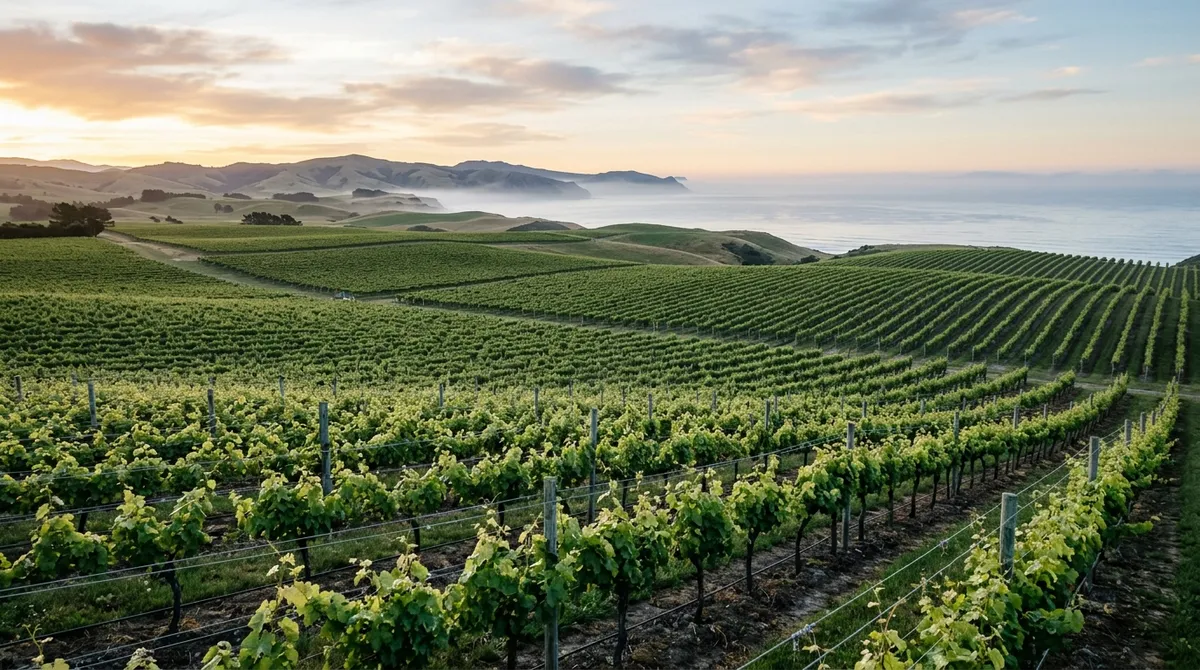
A remarkable transformation has taken place in New Zealand's wine country, where a small coastal subregion called Dillons Point has evolved from overlooked farmland into some of the most coveted Sauvignon Blanc territory in the world. According to reports, this tiny area within Marlborough now commands land prices that rival those of premium vineyards in Sancerre, France.
The shift represents more than just real estate appreciation—it signals a broader evolution in how wine consumers and producers are approaching regional identity and terroir-driven wines.
The Coastal Advantage
What sets Dillons Point apart from other Marlborough subregions is its distinctive coastal terroir, which according to industry observers delivers wines with unique characteristics. Reports indicate that Sauvignon Blanc from this area exhibits vibrancy, tension, and a notable saltiness that distinguishes it from wines produced elsewhere in the region.
These coastal influences appear to create wines that challenge conventional perceptions about Marlborough Sauvignon Blanc's aging potential. While many consumers view the style as best enjoyed young and fresh, wines from Dillons Point are reportedly demonstrating greater age-worthiness than typically expected from the region.
Growing Global Recognition
The transformation of Dillons Point coincides with expanding demand for premium Marlborough Sauvignon Blanc in key international markets. According to reports, both U.S. and Asian markets are showing increased appetite for these distinctive wines, contributing to the area's rising profile and land values.
This demand reflects a broader wine trend where consumers and producers are looking beyond broad regional designations toward more specific subregions, single vineyards, and terroir-driven identity. The focus on place-specific characteristics allows wine drinkers to explore nuanced differences within established wine regions.
A New Benchmark for Marlborough
The emergence of Dillons Point as premium wine territory highlights the evolving landscape of New Zealand's most famous wine region. While Marlborough has long been recognized for its Sauvignon Blanc production, the elevation of this particular subregion suggests that the area's potential for producing distinctive, site-specific wines is still being discovered.
Reports indicate that the coastal terroir produces wines with mineral characteristics that provide a counterpoint to the more herbaceous styles traditionally associated with inland Marlborough vineyards. This diversity within the region offers wine enthusiasts the opportunity to explore different expressions of Sauvignon Blanc from a single geographical area.
Investment and Scarcity Drive Values
The dramatic increase in land values at Dillons Point reflects both the quality of wines being produced and the scarcity of available vineyard sites. According to reports, individual hectares in this subregion now command prices comparable to prime vineyard land in France's renowned Sancerre region, traditionally considered the gold standard for Sauvignon Blanc.
This price appreciation underscores how quickly wine regions can evolve when quality, recognition, and scarcity align. The transformation from farmland to premium wine real estate represents a compressed timeline of development that might typically take decades in more established wine regions.
Looking Forward
The story of Dillons Point illustrates how the global wine landscape continues to evolve, with new areas emerging to challenge established hierarchies. As consumers become more sophisticated in their understanding of terroir and place-specific characteristics, subregions like this coastal corner of Marlborough may continue to gain recognition and value.
For wine enthusiasts, the rise of Dillons Point offers an opportunity to explore how coastal influences can shape Sauvignon Blanc's character, providing distinctive alternatives to both traditional Marlborough styles and classic French expressions from regions like Sancerre. The development also demonstrates how quickly perceptions can shift when quality and uniqueness converge in the wine world.