
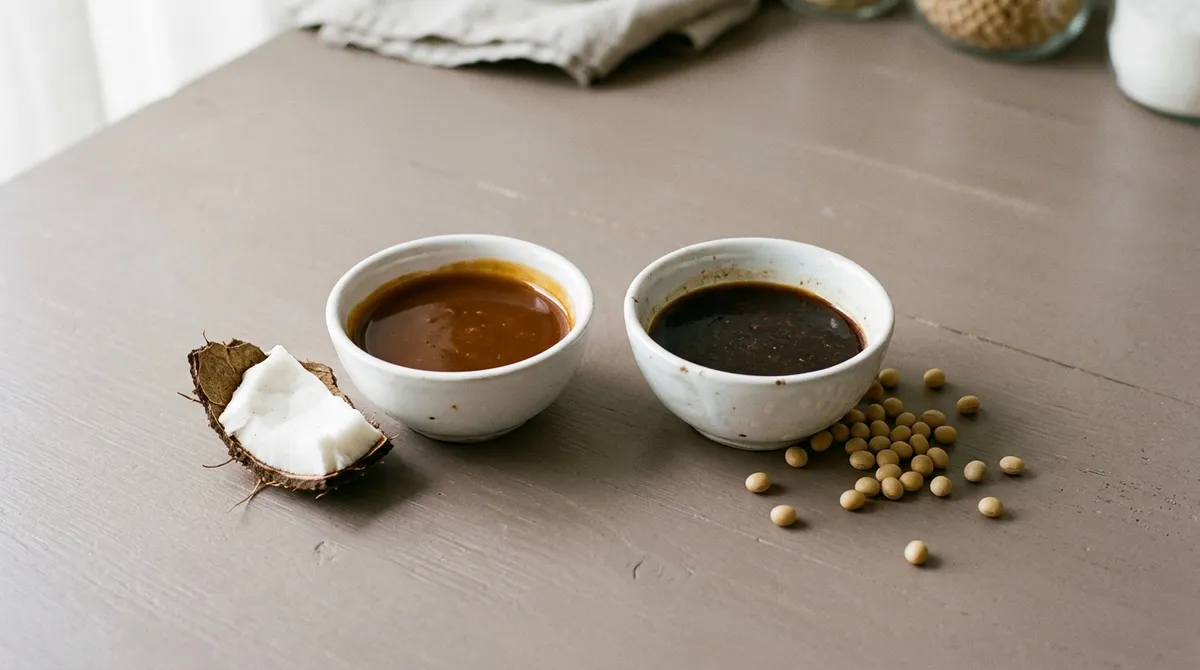
When it comes to flavoring your favorite dishes, soy sauce has long been a kitchen staple. However, as more people embrace health-conscious eating, coconut aminos is making waves as a lower-sodium, allergen-friendly alternative. If you're wondering whether to swap soy sauce for coconut aminos in your recipes, this guide breaks down the key differences, nutritional benefits, and suggested uses.
Coconut Aminos: What You Need to Know
Coconut aminos is a sauce derived from the sap of coconut flowers, which makes it a unique alternative to traditional soy sauce. Here are some important aspects worth noting:
- Lower Sodium Content: One of the most significant benefits of coconut aminos is its reduced sodium content. For those looking to limit sodium intake, this swap can contribute to healthier meals without sacrificing flavor.
- Dietary Considerations: Unlike soy sauce, coconut aminos are both soy-free and gluten-free, making them an excellent choice for individuals with soy allergies or gluten sensitivities. This versatility allows it to fit seamlessly into many dietary plans.
- Sweeter Flavor Profile: Many find coconut aminos to be slightly sweeter than soy sauce, which can enhance certain dishes, especially when used in marinades or dressings.
Why It Matters Now
In today's health-focused culinary landscape, many consumers are on the lookout for clean-label cooking options that align with dietary restrictions and health goals. Coconut aminos fits perfectly into this trend as a pantry staple for those seeking low-sodium alternatives or free from common allergens. The growing interest in coconut aminos reflects a broader shift towards simpler, more nutritious food choices.
Comparing Nutritional Benefits
So how does coconut aminos stack up against soy sauce in terms of nutrition? Here’s a quick breakdown:
- Sodium: Coconut aminos typically contain 90% less sodium than traditional soy sauce, making it an ideal option for those monitoring their intake.
- Calories: Both sauces are relatively low in calories; however, coconut aminos may have a slight edge due to its unique ingredients.
- Other Nutrients: Coconut aminos often contain trace amounts of vitamins and minerals derived from the coconut sap, contributing some nutritional value, while soy sauce provides minimal nutrition beyond sodium.
Best Uses for Coconut Aminos
Are you sold on the idea of coconut aminos? Here are some practical suggestions for incorporating it into your cooking:
- Stir-Fries: Replace soy sauce with coconut aminos for a tasty and lighter twist in your favorite stir-fry.
- Marinades: Make a delicious marinade by mixing coconut aminos with ginger, garlic, and your choice of citrus. It's perfect for chicken, fish, or tofu.
- Dipping Sauces: Combine coconut aminos with sesame oil and garlic for a zesty dipping sauce that elevates your appetizers.
- Salad Dressings: Use coconut aminos as a base for salad dressings along with vinegar and olive oil to add flavor without excess salt.
Making the Switch
If you're considering switching from soy sauce to coconut aminos, a good ratio to follow is 1:1, meaning you can directly substitute one for the other in recipes. However, keep in mind that you may want to adjust seasoning slightly since coconut aminos are sweeter.
In conclusion, coconut aminos not only provide a healthier alternative to soy sauce but also cater to various dietary needs without compromising on flavor. With its versatility and appealing profile, why not give coconut aminos a try next time you’re in the kitchen? Embrace the health benefits and new flavors that come with this growing pantry favorite!