
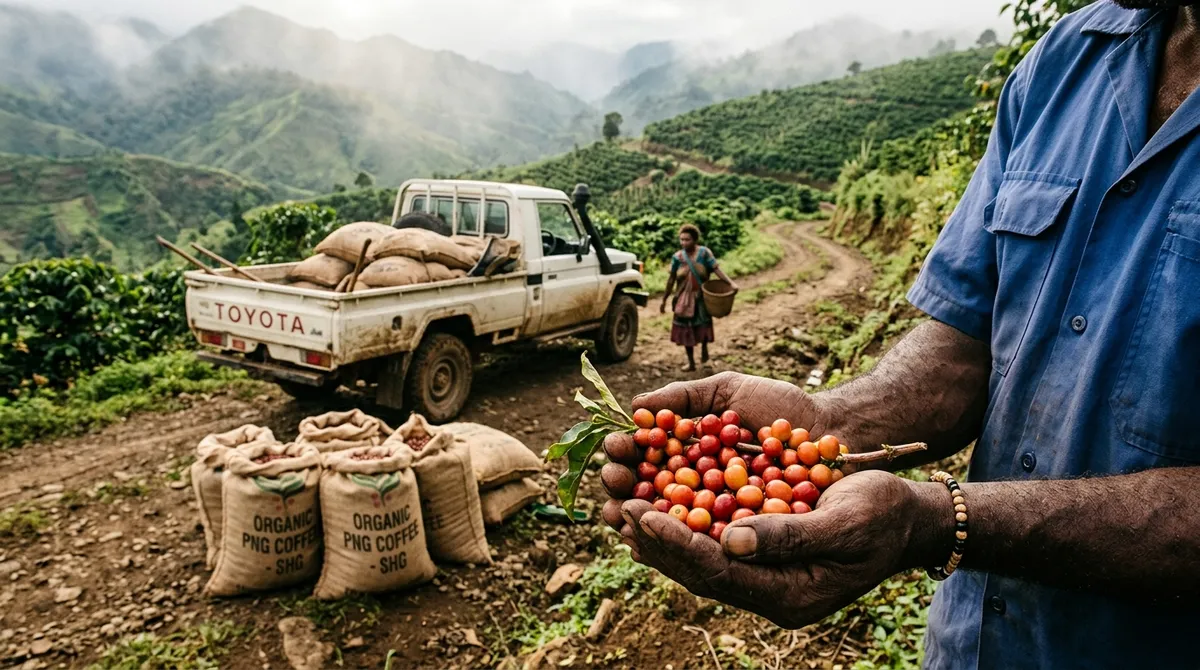
In the vibrant agricultural landscape of Papua New Guinea, coffee stands as a significant economic pillar. In 2022, the coffee industry remarkably bolstered the national economy by generating K1.3 billion in revenue. This substantial contribution highlights the sector's crucial role and the potential for future growth.
The coffee industry in Papua New Guinea is not just a source of economic strength but also a livelihood for many local communities. The industry supports numerous smallholder farmers who cultivate coffee beans across the country's fertile highlands. The combination of suitable climate and rich soil creates ideal conditions for producing high-quality coffee, sought after on the global market.
Economic Impact of Coffee
The revenue from coffee plays a pivotal role in Papua New Guinea's economy. The K1.3 billion generated last year underscores the crop's value as a major export commodity. Coffee exports provide a consistent income stream, supporting both the national economy and the livelihoods of thousands of families involved in its cultivation and processing.
Such economic contributions are vital for the country's development, funding infrastructure projects, and enhancing public services. Moreover, the income from coffee enables investments in educational and health systems, directly impacting the quality of life for citizens.
Challenges in the Coffee Sector
Despite its success, the coffee industry faces several challenges. Climate change poses a significant threat, affecting crop yields and quality. Changing weather patterns can lead to unpredictable harvests, impacting the financial stability of farmers.
Additionally, the industry grapples with logistical hurdles. Infrastructure in remote areas is often inadequate, complicating the transportation of coffee beans from farms to processing facilities and markets. These challenges necessitate strategic interventions to ensure the sustainability and growth of the sector.
Efforts to Overcome Challenges
To address these issues, various initiatives are underway. Government and industry stakeholders are collaborating to improve infrastructure, ensuring better connectivity between agricultural regions and market centers. Investment in roads and transportation networks is essential for reducing costs and enhancing the efficiency of the supply chain.
Furthermore, there is a growing emphasis on sustainable farming practices. Training programs aim to equip farmers with knowledge about climate-resilient agriculture, enabling them to adapt to changing environmental conditions. These efforts are crucial in maintaining the quality and quantity of coffee production.
Future Prospects for Papua New Guinea Coffee
The future of Papua New Guinea's coffee industry looks promising. With ongoing efforts to overcome current challenges, there is potential for even greater economic contributions. By focusing on sustainability and infrastructure development, the country can enhance its position in the global coffee market.
Moreover, the unique flavor profile of Papua New Guinea coffee continues to attract international buyers, increasing demand and opportunities for expansion. By leveraging its natural advantages and addressing existing issues, the industry can secure a prosperous future.
In conclusion, Papua New Guinea's coffee sector remains a cornerstone of its economy, with significant potential for growth. By addressing challenges and capitalizing on opportunities, the industry can continue to thrive, benefiting both local communities and the national economy.