Expert Solutions for Common Pakode Problems
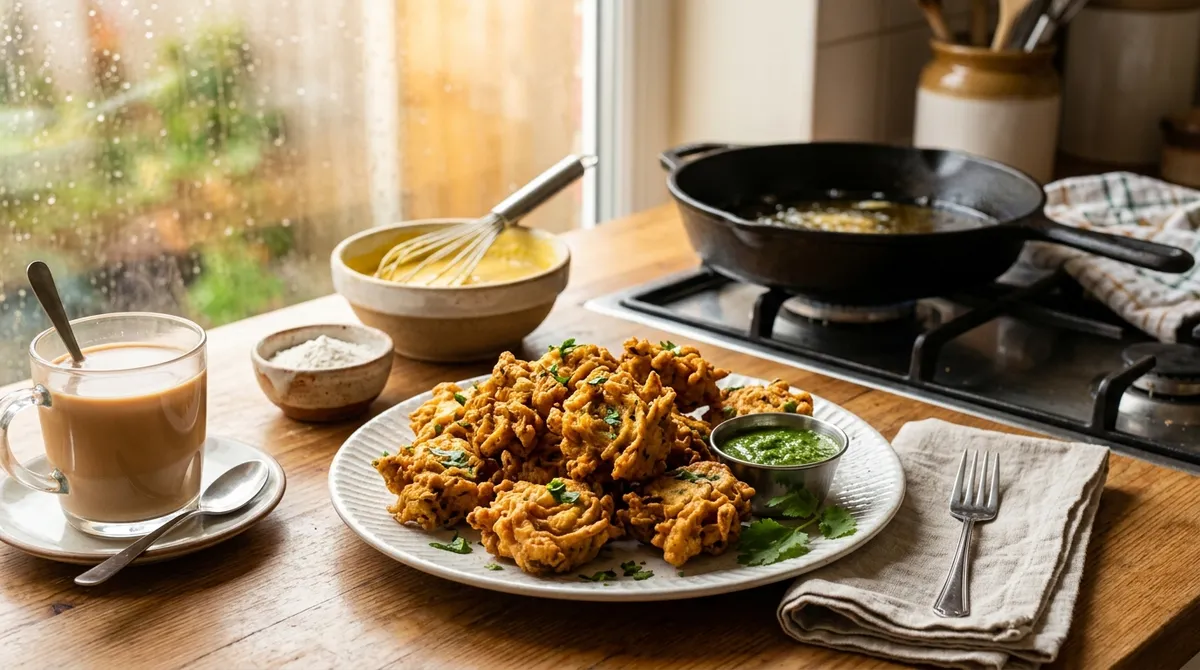
The beloved combination of crispy pakode and chai has long been a comfort food staple, particularly during rainy seasons and snack cravings. However, many home cooks struggle with achieving that perfect street-style texture, often ending up with soggy, oil-laden results instead of the desired crispy crunch.
MasterChef Pankaj Bhadouria recently addressed this common kitchen challenge by sharing five practical techniques that can transform homemade moong dal pakode from disappointing to delicious. According to reports, these chef-approved methods focus on batter preparation, ingredient selection, and proper frying techniques.
The Five Essential Techniques
Perfecting the Batter Base
The first crucial step involves avoiding water altogether and ensuring thorough whisking of the batter. This foundational technique helps create the proper consistency needed for crispy results, according to Chef Bhadouria's recommendations.
Strategic Ingredient Additions
The addition of rice flour serves as a key ingredient for achieving superior texture. This pantry staple helps create the crispy exterior that distinguishes restaurant-quality pakode from their soggy homemade counterparts.
Baking soda also plays a vital role in the process, contributing to the fluffy, light texture that makes pakode so appealing. The chemical reaction helps create air pockets that result in better crunch.
The Hot Oil Method
One particularly innovative technique involves adding hot oil directly to the batter mixture. This step helps achieve the desired texture before the pakode even hit the frying pan, setting them up for optimal results.
Temperature Control for Less Oil Absorption
Perhaps most importantly, Chef Bhadouria emphasizes the critical nature of monitoring oil temperature during frying. Proper temperature control not only ensures crispiness but also significantly reduces oil absorption, addressing health-conscious consumers' concerns about excess grease.
Why These Tips Matter Now
The timing of these cooking insights reflects a growing interest in recreating street food favorites at home. As more people seek to enjoy their favorite snacks without compromising on quality or health, professional techniques that deliver restaurant-style results have become increasingly valuable.
The pakode and chai combination represents more than just a snack—it's a cultural comfort food that brings families together. When home cooks can successfully recreate the crispy, flavorful experience they remember from street vendors, it enhances both the eating experience and cooking confidence.
Practical Application for Home Cooks
These five techniques offer a systematic approach to a common cooking problem. Rather than relying on guesswork or traditional methods that may not deliver consistent results, home cooks now have specific, actionable steps to follow.
The focus on batter preparation, strategic ingredient use, and temperature control provides a comprehensive framework that addresses the most common failure points in pakode preparation. By implementing these professional techniques, home cooks can avoid the disappointment of soggy, oil-heavy results.
Beyond Basic Cooking
Chef Bhadouria's approach demonstrates how small adjustments in technique can yield dramatically different results. The combination of avoiding water, incorporating rice flour and baking soda, adding hot oil to the batter, and maintaining proper frying temperature creates a system that virtually guarantees improved outcomes.
For food enthusiasts looking to elevate their home cooking, these tips represent the kind of insider knowledge that separates amateur attempts from professional-quality results. The techniques are accessible enough for home kitchens while sophisticated enough to deliver noticeable improvements in texture and flavor.
These expert insights offer home cooks the opportunity to master one of India's most beloved snack foods, ensuring that their next batch of moong dal pakode delivers the perfect crispy, less oily results that make the ideal companion to a steaming cup of chai.