
The Chemistry Behind Better Baking
Home bakers constantly face the butter versus margarine dilemma, but according to reports from food science experts, the choice involves much more than taste preference. A food scientist recently explained how subtle chemical differences between these two fats can dramatically impact your baking results.
The distinction matters more than ever as home bakers weigh health considerations, cost factors, and ingredient availability while trying to achieve consistent results in their kitchens.
Fat Structure Makes the Difference
According to the food science analysis, the fundamental differences between butter and margarine lie in their fat structure, water content, and processing methods. These chemical variations directly influence how each ingredient performs in different baking applications.
The research indicates that butter and margarine behave distinctly when it comes to creating flaky layers in pastries and developing the complex flavors associated with browned butter. Understanding these differences helps bakers make informed decisions about when to use each ingredient.
When Margarine Works and When Butter Wins
The food scientist's analysis reveals that the choice between butter and margarine isn't universal—it depends heavily on what you're baking. According to the research, cookies, cakes, and pastries each respond differently to these fat sources due to their unique chemical compositions.
Reports suggest that margarine can be particularly problematic in certain applications, especially when using spreadable varieties that may contain different water content and processing agents than traditional stick margarine.
The Science of Texture and Flavor
One of the most significant findings involves how fat chemistry affects the final product's texture, melting behavior, and shelf life. The research indicates that butter's natural flavor compounds and melting characteristics create different results compared to margarine's processed composition.
The browning behavior also differs significantly between the two ingredients, according to the analysis. This affects not only the appearance of baked goods but also their flavor development during the baking process.
Practical Implications for Home Bakers
The food science research suggests that understanding these chemical differences can help prevent common baking disappointments—from unexpected texture changes to flavor variations that don't match recipe expectations.
According to reports, the key lies in recognizing that these aren't simply interchangeable ingredients. The water content variations, processing differences, and melting behavior patterns mean that successful substitution requires understanding how each ingredient functions in specific recipe contexts.
Making Informed Ingredient Choices
For bakers looking to make strategic ingredient decisions, the research emphasizes considering the specific application. The food scientist's analysis indicates that some baking methods benefit from butter's unique properties, while others can successfully accommodate margarine's characteristics.
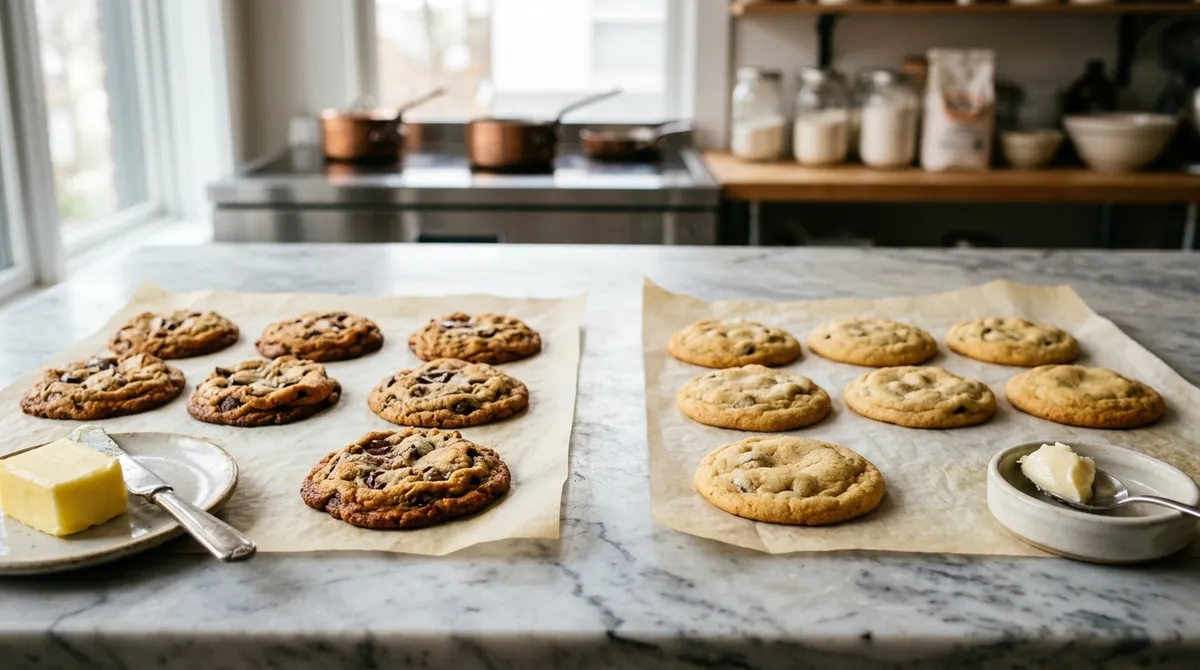
The findings suggest that side-by-side testing can reveal these differences in real-world applications, helping bakers understand when the chemical properties of each ingredient align with their desired outcomes.
Beyond Simple Substitution
According to the research, the impact extends beyond basic ingredient swapping. The differences in fat structure and processing affect how these ingredients interact with other recipe components, from flour proteins to leavening agents.
This chemical interaction influences everything from dough handling characteristics to final product appearance and storage stability, making ingredient choice a more complex decision than many home bakers realize.
The Bottom Line
The food science analysis reveals that successful baking often depends on matching ingredient properties to desired outcomes. Understanding how butter and margarine differ chemically—from their fat composition to their melting behavior—enables more predictable and successful baking results.
For home bakers navigating ingredient choices, the research suggests that knowledge of these chemical differences provides the foundation for making informed decisions that align with both practical considerations and baking goals.