The Oldest Single Malt Scotch Ever Released
Balvenie has made a splash in the luxury spirits market with its release of what it claims to be the oldest single malt Scotch whisky ever bottled. The 88-year-old 1931 expression is more than just a drink; it signifies a pivotal moment in whisky history and showcases the intersection of heritage craftsmanship and art. The debut of the 1931 Collection is set to captivate collectors and connoisseurs alike, with an appealing narrative of how such a rare whisky came to be.
The Science Behind Rare Whisky
What makes a whisky like the Balvenie 1931 so remarkable? Aging whisky for decades is no easy feat; it requires a delicate balance of factors including climate, barrel integrity, and careful monitoring over the years. This 88-year-old single malt symbolizes not only decades of aging but also the consistent quality control that distilleries must maintain to craft such a rare product.
Whisky generally ages in wooden barrels, where it interacts with the wood to develop its unique flavor profile. Factors such as the type of wood, previous contents of the barrel, and environmental conditions all play a role in the whisky's final flavor. The longer a whisky ages, the more complex its profile can become—but it also risks over-oaking or evaporation losses, known as the "angel's share." Balvenie’s ability to preserve the integrity of this whisky over more than eight decades speaks to both their craftsmanship and the precise conditions of their warehouses.
Tasting Notes: What to Expect
While tasting notes for a whisky of this caliber can be subjective, what can you expect from a nearly-century-old Scotch? Whiskies of this age often exhibit deep, multifaceted flavors that are a blend of oak, caramel, spice, and sometimes unusual fruit notes. Expect a taste that delivers a silky mouthfeel, with complex layers that evolve as you sip. The extended aging process generally allows the whisky to gain characteristics that are less common in younger spirits, providing a unique drinking experience.
The Art of Collaboration
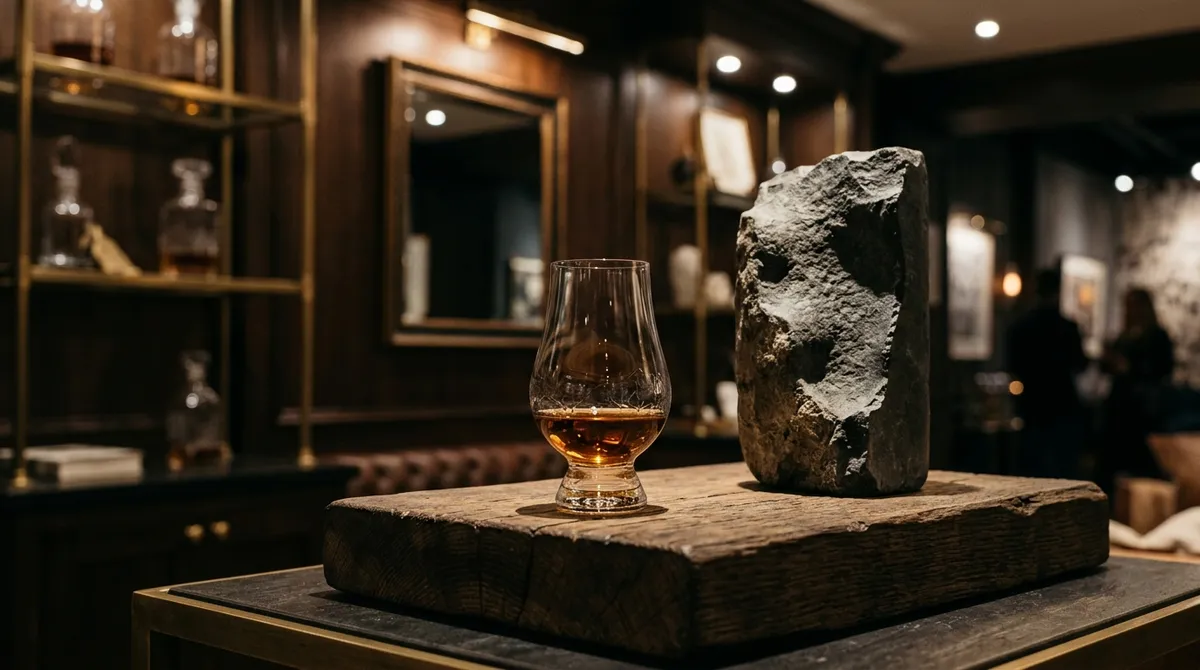
Not only does this release signify innovative whisky making, but it also showcases Balvenie’s collaboration with contemporary artist Daniel Arsham. The limited-edition sculptural case is more than just a vessel for the whisky; it’s a statement piece that merges the world of artistry with luxury spirits. Such collaborations highlight the trend of luxury brands tapping into the art world to add prestige and esthetic value, attracting collectors from both realms.
Why Collectors are Drawn to Rare Whiskies
The recent boom in ultra-premium whisky collecting can be attributed to several factors. Rarity is a massive draw; the more limited the release, the higher the perceived value. Additionally, collectors often view rare whiskies as an investment opportunity. With record prices being commanded for exclusive bottles, the market has become increasingly competitive. Balvenie’s entry into this high-stakes arena with a prestigious offering elevates its brand and solidifies its status as a sought-after collector's item.
Conclusion: A Celebration of Heritage and Innovation
Balvenie's 88-year-old 1931 single malt Scotch whisky not only marks a milestone in whisky production but also encapsulates the synergy between luxury spirits and contemporary art. This release is a testament to the skilled craftsmanship that goes into whisky-making while appealing to today’s discerning collectors. If you ever have the opportunity to taste such a rarity, take a moment to appreciate the intricate layers of flavor and the history behind every sip.