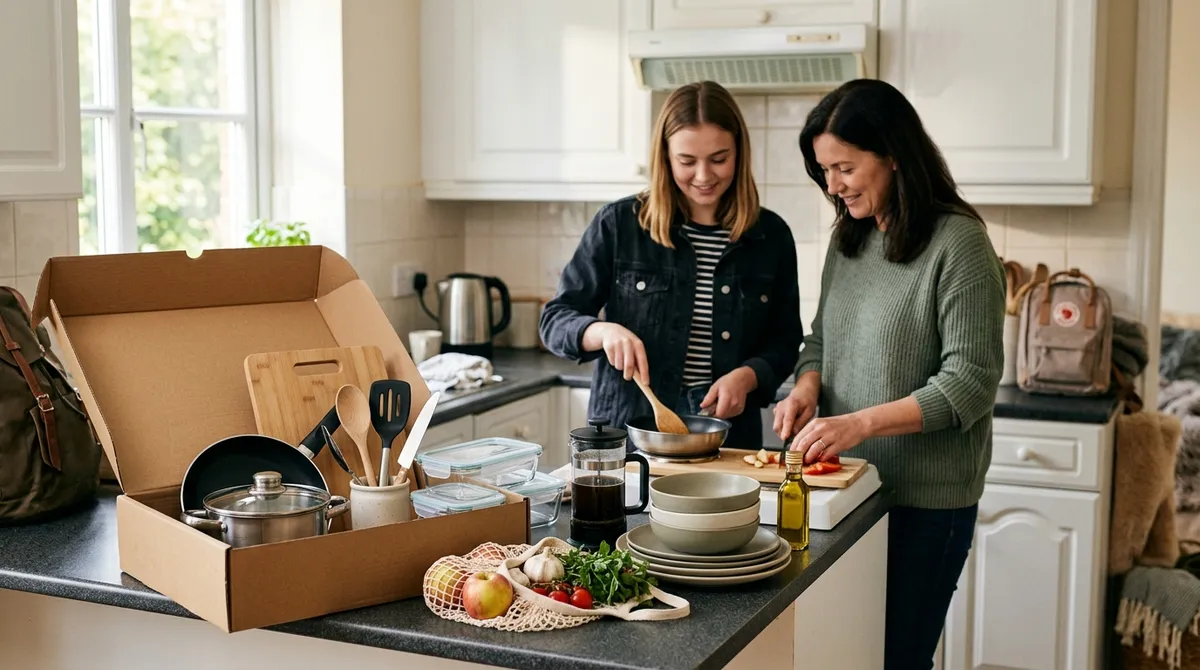
As September rolls around, many parents find themselves in preparation mode for their university-bound children. One of the most valuable gifts you can provide your soon-to-be student is a well-equipped kitchen and the know-how to use it. With soaring food costs and the allure of takeout, teaching them a few simple cooking tips and packing the right kitchen tools can empower your child to eat well and save money. Here’s a practical guide to help you equip their kitchen and boost their culinary confidence.
Essential Kitchen Equipment for Every Student
Equipping a kitchen doesn’t have to break the bank, but there are essential items every student should have. Consider including these in their kitchen kit:
1. Sharp Chef’s Knife and Knife Sharpener
A good chef’s knife is crucial. It makes food prep easier and safer, as you’ll be less prone to accidents with a sharp blade. Don’t forget the knife sharpener to keep it in top shape.
2. Two Chopping Boards
Investing in at least two chopping boards will help prevent cross-contamination, a key hygiene practice in any kitchen. Designate one for raw meats and another for fruits and vegetables.
3. Essential Utensils
Include the basics: tongs, a spoon, spatula, whisk, grater, peeler, and tin opener. These tools will cover a wide range of cooking tasks without cluttering the space.
4. Pots and Pans
A couple of good-quality pots and pans will allow for various cooking methods, from boiling pasta to sautéing veggies.
5. Stick Blender
Great for soups and smoothies, a stick blender minimizes cleanup time. It's also compact and easy to store.
6. Digital Thermometer
This handy tool ensures that proteins are cooked to a safe temperature, which is especially important in shared kitchens.
7. Air Fryer
An air fryer is a versatile piece of equipment that can make healthier meals without much effort. It’s perfect for students who are short on time but want to eat well.
8. Coffee-Making Equipment
For those essential morning brews, include a simple coffee maker or a French press, so your student can enjoy their coffee just how they like it.
9. Tupperware
Durable and microwave-safe containers are perfect for storing leftovers or meal prepping for the week ahead.
Hygiene and Safe Cooking Practices
Culinary skills can only take them so far. Instilling good hygiene habits is equally important:
1. Regular Cleaning
Teach them to clean surfaces routinely with antibacterial spray. A clean workspace reduces the risk of foodborne illnesses.
2. Keeping Textiles Fresh
Replenishing and washing tea towels and cloths often helps maintain hygiene and prevents cross-contamination.
3. Regular Replacement
Encourage them to wash and replace sponges and scourers frequently to keep things sanitized.
Simple Recipes Every Fresher Should Learn
To empower your student, provide them with a few easy recipes that use versatile ingredients. Think about suggesting:
- Pasta with Garlic and Olive Oil: Quick, easy, and requires minimal ingredients.
- Stir-Fried Vegetables: A great way to use up any leftover produce.
- Omelette: A breakfast favorite that’s quick and can incorporate any fillings they like.
- Chili: This can be made in larger quantities, perfect for meal prep, and freezes well.
- Tacos: Versatile and easy to customize with whatever’s on hand.
Why This Matters Now
With many students moving into university residences this September, having a well-prepared kitchen can alleviate stress and ensure they make healthier choices. Food prices are high, so learning to cook allows them to save money and avoid the temptation of takeout.
Final Thoughts
The key to a successful university culinary journey lies in a solid kitchen foundation. With the right tools and habits, your student will be better equipped to handle meal preparation, eat healthily, and ultimately enjoy their time away from home. So pack that kitchen with care and set them up for culinary success as they embark on this exciting new chapter.