
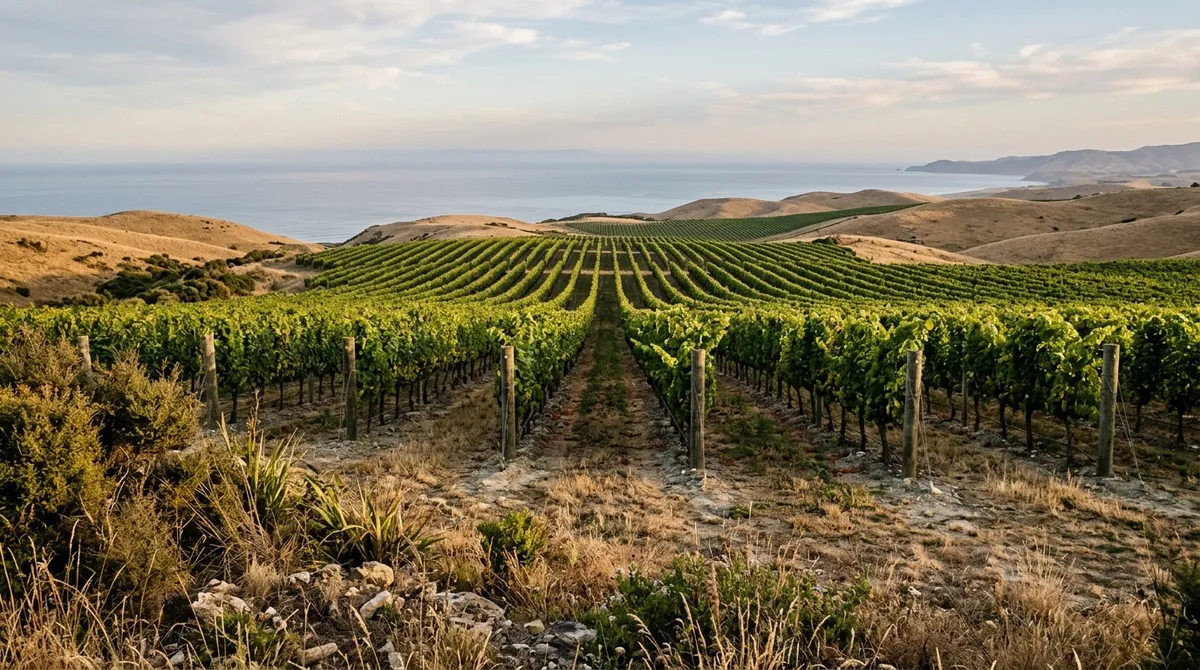
From Backwater to Wine Haven
In the world of premium beverages, transformation stories are always compelling. While coffee enthusiasts celebrate the evolution of specialty coffee regions, wine lovers are witnessing a similar phenomenon in New Zealand's Marlborough region. According to reports, what was once considered "backwater" farmland in a tiny subregion called Dillons Point has become some of the world's most prized Sauvignon Blanc territory.
This coastal corner of Marlborough has undergone a remarkable metamorphosis, transforming from overlooked agricultural land into premium wine real estate that now rivals the prices of prime vineyard land in France's prestigious Sancerre region.
The Coastal Advantage
What sets Dillons Point apart from other Marlborough subregions is its distinctive coastal terroir. According to industry reports, this unique location delivers Sauvignon Blanc wines with exceptional characteristics: vibrancy, tension, saltiness, and remarkable aging potential. These qualities challenge the common perception that Sauvignon Blanc should be consumed young.
The coastal influence appears to be the key differentiator, imparting a mineral-driven profile that wine experts compare to the renowned styles found in France's Loire Valley. This terroir-driven identity has captured the attention of both producers and consumers seeking wines that express their specific place of origin.
Market Recognition and Demand
The transformation of Dillons Point reflects broader market trends in premium beverage consumption. Reports indicate that demand for premium Marlborough Sauvignon Blanc is expanding significantly in key markets, particularly the United States and Asia. This growing international recognition has contributed to the dramatic increase in land values within this small subregion.
Today, according to industry sources, a single hectare in Dillons Point commands prices that rival those of prime vineyard land in Sancerre, France – a remarkable achievement for an area that was previously considered agricultural backwater.
The Subregion Movement
Dillons Point's rise to prominence taps into a broader trend affecting premium beverage markets worldwide. Just as coffee enthusiasts increasingly seek single-origin beans and specific growing regions, wine consumers and producers are looking beyond broad regional designations toward subregions, single vineyards, and terroir-driven identity.
This shift represents a maturation of consumer palates and a deeper appreciation for the nuanced differences that specific locations can impart to beverages. For Marlborough, this means moving beyond its general reputation as a Sauvignon Blanc region toward recognition of distinct subregional characteristics.
Understanding the Difference
For beverage enthusiasts familiar with Marlborough Sauvignon Blanc but unfamiliar with its subregions, Dillons Point represents an opportunity to explore a more complex expression of this popular varietal. Reports suggest that wines from this coastal area exhibit distinctive salty and mineral characteristics that set them apart from the broader regional style.
These flavor profiles challenge preconceptions about Sauvignon Blanc, offering wines with the tension and complexity typically associated with premium white wines from established European regions. The comparison to Sancerre is particularly noteworthy, as it positions Dillons Point as a serious contender in the global arena of premium white wines.
Investment and Value
The transformation of Dillons Point also highlights the investment potential in emerging premium beverage regions. The dramatic increase in land values reflects not only current demand but also confidence in the long-term potential of this coastal terroir.
For investors and producers, the story of Dillons Point offers insights into how overlooked regions can rapidly gain recognition and value when their unique characteristics align with market trends and consumer preferences.
Looking Forward
As Dillons Point continues to establish itself as Marlborough's premier subregion, its success story offers lessons for other emerging beverage regions worldwide. The emphasis on terroir, coastal influence, and distinctive flavor profiles resonates with contemporary consumer preferences for authenticity and place-driven products.
For beverage enthusiasts, Dillons Point represents an exciting opportunity to explore how specific locations can dramatically influence flavor and quality, whether in wine or other premium beverages. As the global market for distinctive, terroir-driven products continues to expand, regions like Dillons Point are likely to gain even greater recognition and value.