
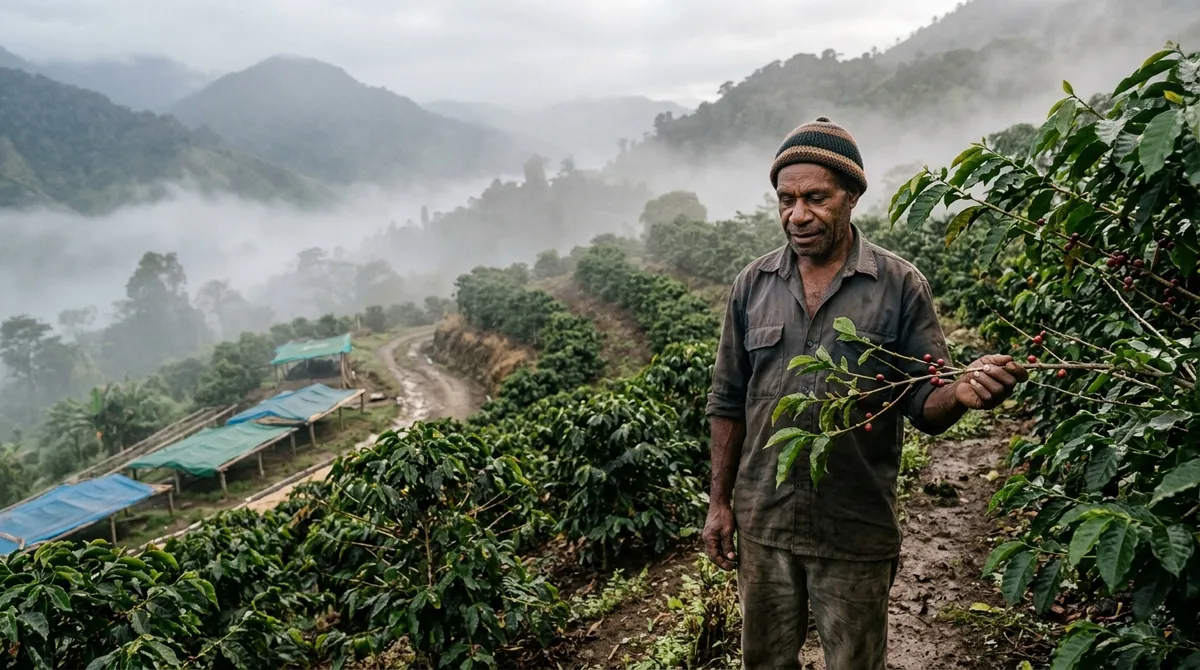
The coffee industry in Papua New Guinea faces significant challenges that threaten its sustainability and economic contribution. Once a thriving sector, various factors have led to a decline in production and profitability. This change not only affects the economy but also the livelihoods of thousands of smallholder farmers who depend on coffee as their primary source of income.
Historical Significance of Coffee in Papua New Guinea
Coffee has long been a cornerstone of Papua New Guinea's agricultural sector. Introduced in the 1920s, it quickly became an essential export commodity, peaking during the late 20th century. The country's unique climate and fertile soil provided ideal conditions for cultivating high-quality Arabica coffee, recognized globally for its distinctive flavor profiles.
Challenges Facing the Coffee Industry
In recent years, the sector has encountered numerous obstacles impacting its growth and sustainability. Among the primary concerns are aging coffee trees, which have led to decreased yields and quality. Additionally, inadequate infrastructure hinders efficient processing and transportation, causing delays and losses. These challenges are compounded by limited access to modern farming techniques and insufficient government support.
Impact of Climate Change
Climate change has emerged as a critical issue for coffee growers. Unpredictable weather patterns and increased incidences of pests and diseases have further threatened production. Farmers struggle to adapt to these changes, often lacking the resources and knowledge to implement sustainable practices.
Economic and Social Implications
The decline of the coffee industry has far-reaching economic implications. Coffee contributes significantly to the national GDP and is a vital source of foreign exchange. The downturn affects not only the economy but also the social fabric of rural communities. Many farmers and their families rely on coffee for their livelihoods, and as the industry struggles, so too do they face increased poverty and reduced opportunities.
Efforts to Revitalize the Sector
Despite these challenges, there are efforts underway to revitalize the coffee industry. Local and international organizations are working to provide training and resources to farmers, promoting sustainable farming practices and improving market access. Additionally, there are initiatives to rejuvenate aged coffee plantations and introduce disease-resistant varieties.
Role of Technology and Innovation
Embracing technology and innovation is crucial for the industry's future. From digital platforms for market connectivity to advanced agricultural techniques, technology can play a transformative role. By adopting these innovations, farmers can enhance productivity and quality, securing better prices and improving livelihoods.
The Path Forward
Reviving Papua New Guinea's coffee industry requires a concerted effort from all stakeholders, including the government, private sector, and international partners. By investing in infrastructure, education, and technology, the country can restore its coffee sector to its former glory. This revitalization is not only about economic gain but preserving a cultural legacy and ensuring a sustainable future for the nation's farmers.