Specialty coffee, cherished by enthusiasts for its distinct flavors and aromas, often comes with a premium price tag. The cost of these beans is influenced by a variety of factors, including the roast level and sensory qualities that define their uniqueness. This article explores how these elements contribute to the valuation of specialty coffee, revealing the intricate balance between bean quality and market demand.
The Role of Roast Level in Coffee Pricing
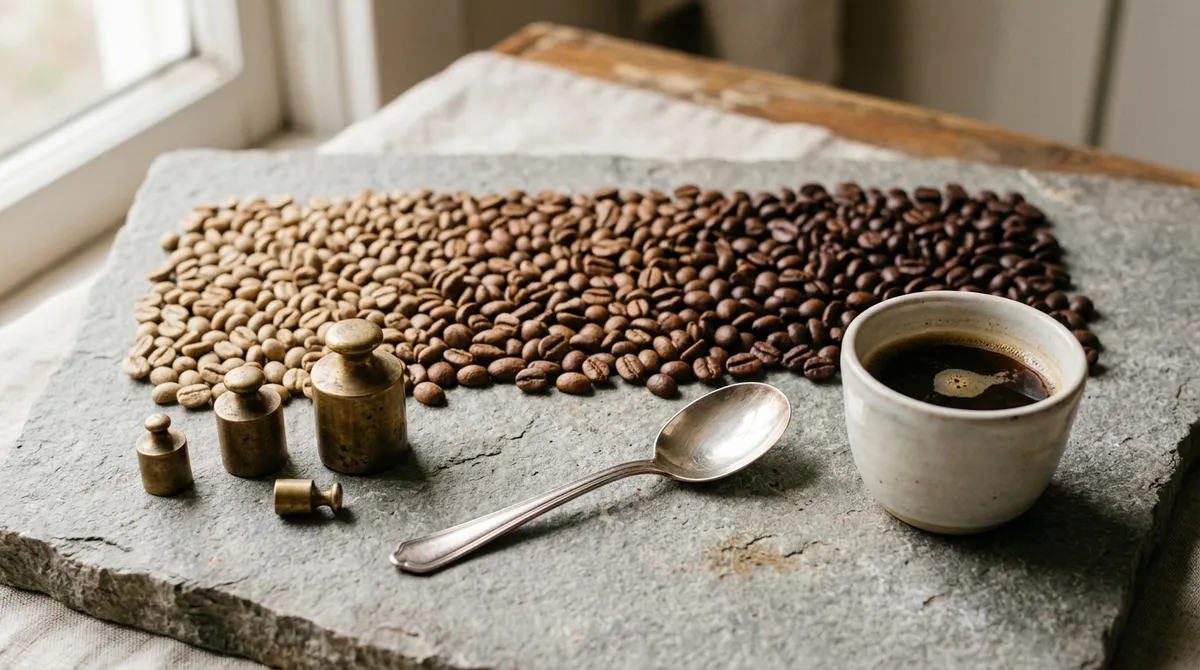
The roast level of coffee significantly affects its taste profile, with each level offering a distinct sensory experience. Light roasts tend to preserve the inherent flavors of the coffee bean, highlighting fruity and floral notes. On the other hand, darker roasts bring out deeper, more robust flavors, often with chocolatey or nutty undertones. The choice of roast level can therefore not only cater to different taste preferences but also influence the perceived value of the coffee.
Producers must carefully select the appropriate roast level to match the bean's origin and characteristics. A well-chosen roast can enhance the natural attributes of the coffee, ultimately impacting its market price. This attention to detail in roasting is a crucial aspect that buyers consider when evaluating specialty coffee beans.
Sensory Quality: A Key Factor in Specialty Coffee
Sensory quality is another vital element that determines the price of specialty coffee. This includes the aroma, flavor, body, and acidity of the coffee, which are evaluated through a process known as cupping. Expert tasters, or cuppers, assess these sensory attributes to grade the coffee's quality.
Coffees with higher sensory scores often command higher prices due to their superior taste profiles. These premium beans are sought after by connoisseurs who appreciate the nuanced flavors that set them apart from standard coffee options. As a result, sensory quality plays a pivotal role in establishing the commercial value of specialty coffee.
Market Dynamics and Consumer Preferences
The specialty coffee market is heavily influenced by consumer preferences, which can shift based on trends and cultural influences. Currently, there is a growing demand for ethically sourced and high-quality coffee, which has driven interest in specialty beans. Consumers are increasingly willing to pay more for coffee that offers a unique taste experience and aligns with sustainable practices.
This trend has encouraged producers to focus on quality, from cultivation to roasting, to meet consumer expectations. The emphasis on quality and sustainability not only enhances the reputation of specialty coffee but also justifies its higher price point in the marketplace.
Conclusion: The Art and Science of Pricing Specialty Coffee
Pricing specialty coffee involves a delicate interplay between roast level, sensory quality, and market dynamics. Each factor contributes to the overall value perception of the coffee, influencing its price. As consumer interest in high-quality, ethically produced coffee continues to rise, the specialty coffee market is likely to expand, offering new opportunities for producers and coffee lovers alike.