
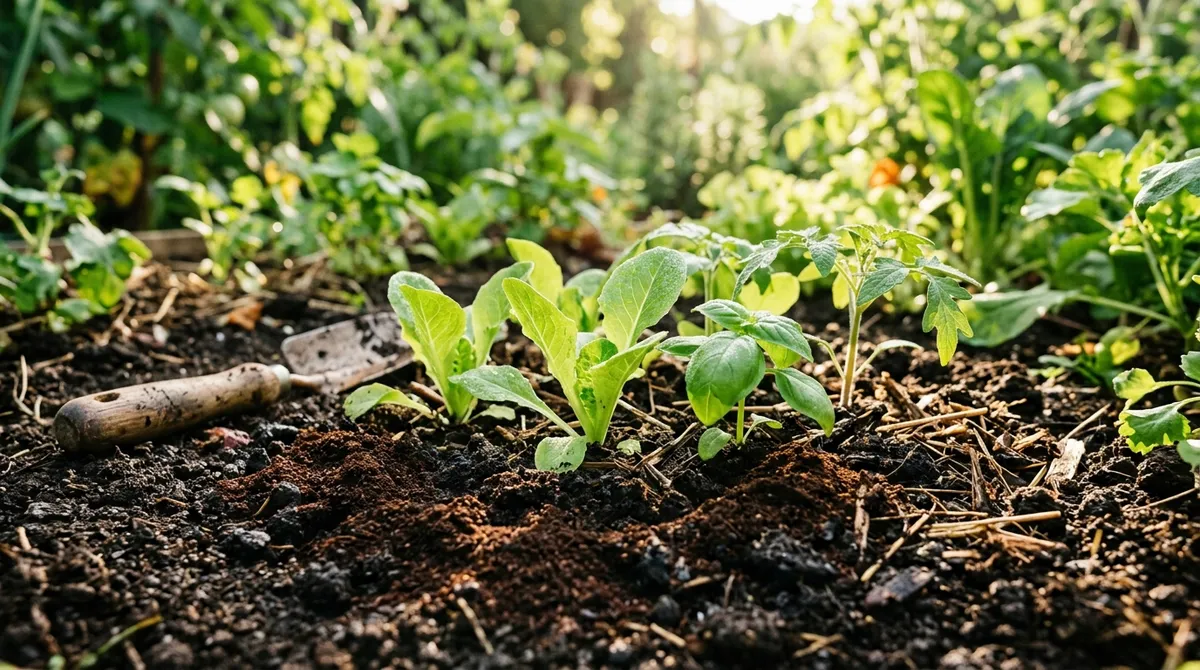
Coffee grounds are more than just the byproduct of your morning brew. They offer a sustainable and beneficial way to enhance your garden's health. Rich in nutrients, these grounds can significantly contribute to plant growth and soil improvement when used properly.
The Nutritional Benefits of Coffee Grounds
Coffee grounds are packed with essential nutrients like nitrogen, potassium, and phosphorus. These elements are crucial for plant health, promoting lush foliage and robust root systems. Adding coffee grounds to your soil can help create an optimal environment for plant growth by enhancing the nutrient content.
Improving Soil Structure
In addition to their nutritional value, coffee grounds can improve soil structure. They increase the soil's organic matter, which improves its ability to retain water and nutrients. This is particularly beneficial for sandy soils, which often struggle to hold moisture. By incorporating coffee grounds, gardeners can create a more balanced and fertile planting medium.
Using Coffee Grounds as Mulch
Coffee grounds can serve as an effective mulch when applied correctly. Spread them in a thin layer around plants to help retain moisture, suppress weeds, and regulate soil temperature. However, it's essential to ensure the layer is not too thick, as this could lead to compaction and hinder water penetration.
Composting with Coffee Grounds
Coffee grounds are an excellent addition to the compost pile. They are considered green compost material due to their nitrogen content, balancing the carbon-heavy brown materials like leaves and branches. Integrating coffee grounds into your compost accelerates decomposition, resulting in a rich, fertile compost for your garden.
Considerations and Best Practices
While coffee grounds offer numerous benefits, it's important to use them wisely. Overuse can result in excessive acidity, which may not be suitable for all plants. It's advisable to test your soil's pH levels before applying coffee grounds extensively. Additionally, avoid using them on seedlings or plants sensitive to high caffeine levels.
Plants That Love Coffee Grounds
Certain plants thrive with the addition of coffee grounds. Acid-loving plants like blueberries, azaleas, and roses benefit significantly from the added acidity and nutrients. However, moderation is key to prevent any potential adverse effects on plant health.
Conclusion
Incorporating coffee grounds into your gardening routine offers an eco-friendly approach to enhancing plant health and soil quality. By understanding their benefits and applying them correctly, gardeners can enjoy more robust plants and a healthier garden ecosystem. Remember to balance their use with other organic materials to maximize the benefits without overwhelming your plants.