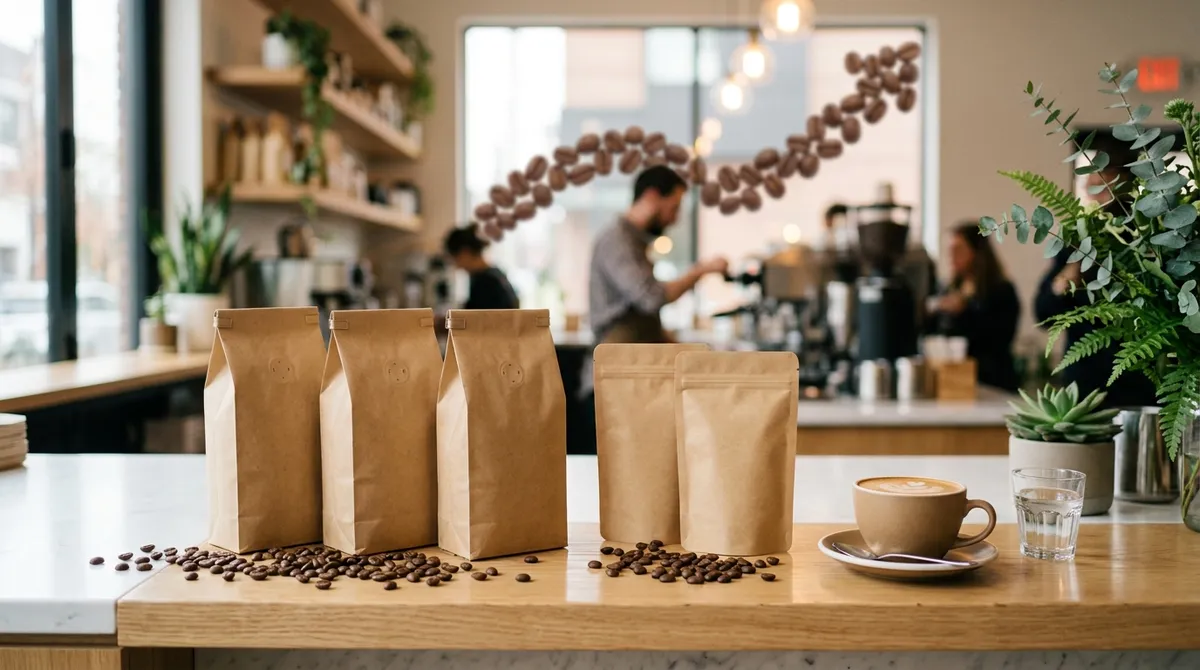
The coffee bags market is poised for substantial growth, anticipated to reach USD 1,110.6 million by 2035. This expansion is driven by increasing coffee consumption and a growing demand for convenient packaging solutions. As lifestyles become more fast-paced, consumers are seeking products that offer both quality and convenience in their daily rituals.
Rising Coffee Consumption
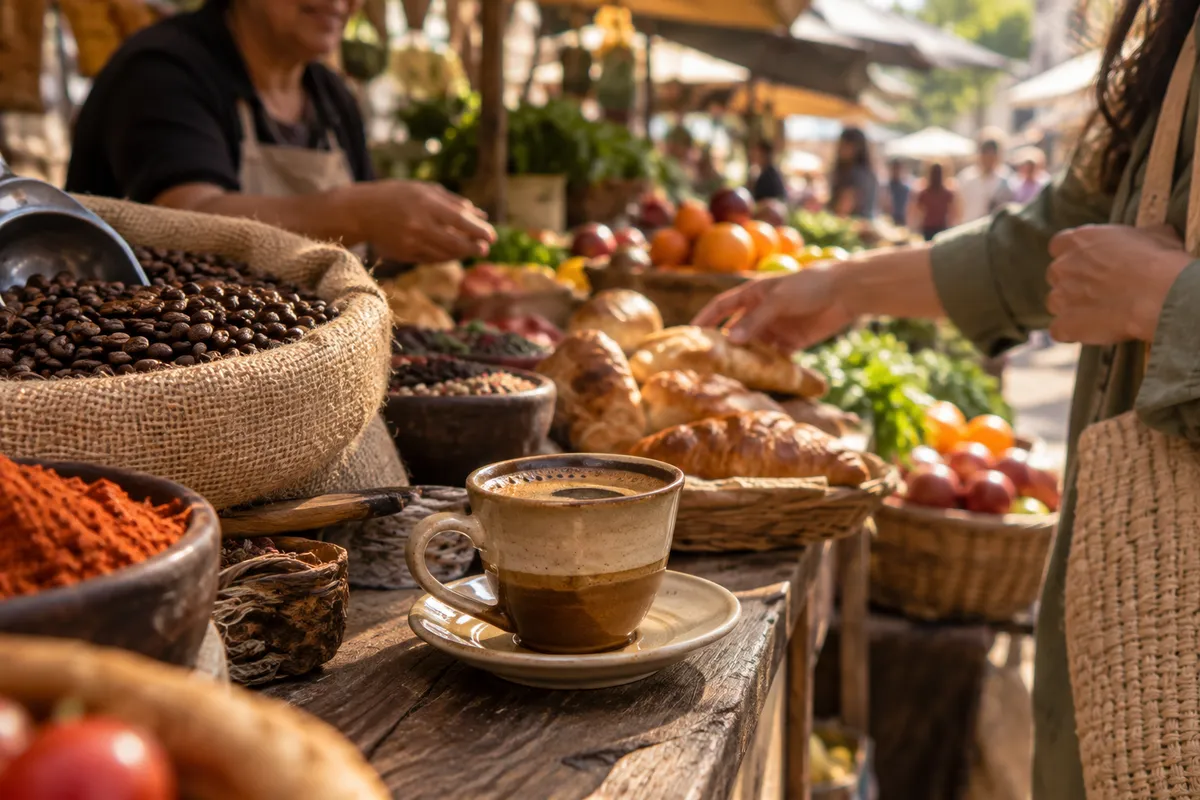
Coffee remains a staple beverage worldwide, with its popularity continuing to soar. This increase is partly due to the beverage's versatility and the growing number of specialty coffee shops. As a result, the demand for coffee bags, which provide convenience and preserve flavor, is on the rise. The bags cater to a variety of preferences, including single-serve options that appeal to individual consumers looking for personalized brewing experiences.
Convenience and Sustainability
The modern consumer is not just looking for convenience but also sustainability in their purchases. Coffee bags meet these demands by offering easy-to-use, environmentally friendly options. Manufacturers are increasingly adopting sustainable materials in the production of these bags, aligning with global efforts to reduce environmental impact. This shift is expected to enhance the market's growth as more consumers opt for eco-friendly products.
Technological Innovations
Technological advancements in packaging have also played a crucial role in the growth of the coffee bags market. Innovations such as vacuum sealing and resealable closures help maintain freshness and extend shelf life. These developments not only improve the quality of the coffee but also boost consumer satisfaction. As technology continues to evolve, the market is likely to see more sophisticated packaging solutions that further appeal to tech-savvy consumers.
Regional Market Insights
The global coffee bags market is witnessing varied growth across different regions. North America and Europe have established themselves as significant markets, driven by high coffee consumption rates and a strong preference for premium coffee products. Meanwhile, Asia-Pacific is emerging as a lucrative market due to increasing disposable incomes and a growing appreciation for coffee culture. This regional diversification is expected to contribute significantly to the overall market expansion.
Competitive Landscape
The competitive landscape of the coffee bags market is characterized by the presence of numerous players striving to capture market share through innovation and product differentiation. Companies are investing in research and development to introduce unique features that cater to specific consumer needs. Additionally, strategic partnerships and collaborations are becoming common as companies aim to broaden their product offerings and expand their reach.
Future Prospects
Looking ahead, the coffee bags market is set to benefit from ongoing trends in consumer preferences and technological advancements. The focus on sustainability and convenience is likely to drive further innovation in packaging solutions. As the market continues to evolve, companies that successfully integrate these elements into their offerings are expected to thrive. This optimistic outlook suggests a promising future for the coffee bags industry, with ample opportunities for growth and development.
Conclusion
The coffee bags market is on an upward trajectory, fueled by rising consumer demand for convenient and sustainable options. With technological innovations enhancing product quality and a competitive landscape driving market dynamics, the future looks bright for this sector. As the industry continues to adapt to changing consumer preferences, it is well-positioned to achieve significant growth in the coming years.